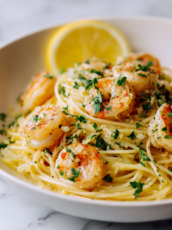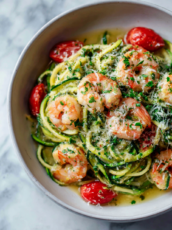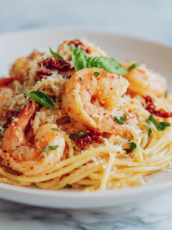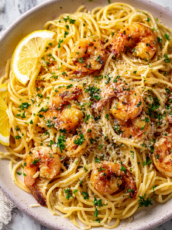
Shrimp étouffée is more than just a spicy seafood stew; it’s a window into Louisiana’s soul. What makes this version special is that smoky, caramelized base that whispers of bayou fires and slow-cooked memories. It’s a dish that’s rooted in tradition but invites you to play with its deep, rich flavors.
I’ve always loved how the smell of onions and peppers melding with the smoky undertone can fill a kitchen with nostalgia. This recipe is my attempt to capture that essence—bringing a little bit of Louisiana’s fire into my own home, no matter the season. It’s comfort with a smoky kick, a dish that feels like a warm hug from the south.
Focusing on how the smoky, caramelized base transforms the classic shrimp étouffée into a dish that captures the essence of Louisiana’s bayou fires and slow-cooked comfort, making it more than just a stew but a nostalgic journey into smoky depths.
Fanning the Flames of Louisiana
- The smoky aroma of caramelized onions always takes me back to my grandma’s kitchen, where everything simmered slowly.
- I felt a rush of pride the first time I nailed the perfect roux—rich, dark, and just starting to crackle.
- There’s a chaotic joy in balancing spices, trying not to overdo it, but still wanting that bold Cajun punch.
- Cooking this dish reminds me of lazy Sunday afternoons in the bayou, where the air is thick with spice and stories.
- Every time I serve this, I get a little nervous—hoping it tastes as fiery and soulful as I imagine.
Fanning the Flames of Louisiana
This recipe came together during a particularly rainy weekend when I craved something deeply comforting but with a smoky edge. I’ve always been drawn to dishes that tell a story—something about the way a good roux can turn simple ingredients into a rich, soulful sauce. Making this étouffée reminded me that sometimes, the most unpolished kitchen experiments turn into the dishes you crave most in tough times.
Historical Roots of Shrimp Étouffée
- Shrimp étouffée originated in Louisiana, blending French culinary techniques with Creole flavors during the 19th century.
- The word ‘étouffée’ means ‘smothered’ in French, referring to how the dish is slowly simmered to develop rich flavors.
- Traditionally served over rice, it’s a cornerstone of Cajun and Creole cuisine, embodying the region’s love for bold, smoky flavors.
- Early recipes used local ingredients like crawfish, but shrimp became a popular substitute as it became more accessible.
- The smoky, caramelized base in this version pays homage to Louisiana’s bayou fires and slow-cooked traditions.
Ingredient breakdown: key components
- Onions: I always choose sweet yellow onions for their mellow, rich flavor that builds a smoky sweetness when caramelized. Skip the sharp white varieties for this step—they’ll overpower the depth I want.
- Bell Peppers: I prefer a mix of red and green for color and sweetness, but you can swap in poblano for a smoky kick. Sauté until they’re soft and fragrant—about 8 minutes—until they start to blister and smell sweet.
- Celery: I use fresh, crisp celery, slicing it thin so it dissolves into the sauce. If yours is limp or bitter, a quick blanch can refresh it before adding. It adds that subtle crunch and fresh aroma.
- Shrimp: Fresh, deveined, and peeled—nothing beats that briny, sweet snap. Frozen works in a pinch, just thaw and pat dry to avoid extra water. Cook just until pink and firm, about 3 minutes, for a juicy bite.
- Rouxs: Dark, almost chocolate-brown roux is the backbone here. I stir constantly over medium heat and watch for a nutty smell—if it smells burnt, start over. It gives the dish its smoky, nutty base.
- Spices: Paprika, cayenne, and thyme—this trio is my secret to that smoky, spicy punch. I toast the spices briefly in the roux for extra depth, but if too spicy, tone down the cayenne.
- Stock: I use shrimp or chicken stock, simmered with bay leaves—rich, aromatic, and just the right amount of savory. If you want it lighter, dilute with a splash of water, but don’t skimp on that umami flavor.
Spotlight on key ingredients
Shrimp:
- I use fresh, briny shrimp with a firm texture. They turn bright pink and juicy, adding a sweet, oceanic burst in every bite.
- Frozen works if thawed and patted dry. Cook just until pink and firm—overcooking makes them rubbery and dull in flavor.
Roux:
- I cook a dark, nutty roux until it’s a deep caramel color. It smells rich and slightly smoky, giving the dish its signature depth and aroma.
- Be patient and stir constantly; if it smells burnt or turns black, start over. The right roux is crucial for flavor and color.
Notes for ingredient swaps
- Dairy-Free: Use coconut milk instead of butter for a creamy texture with a subtle tropical sweetness.
- Vegetarian: Swap shrimp for firm tofu or tempeh, which will soak up the smoky, spicy flavors but keep it plant-based.
- Gluten-Free: Replace all-purpose flour with rice flour or cornstarch slurry to thicken the sauce without gluten.
- Low-Sodium: Use homemade stock with less salt, and omit added salt—let the spices do the flavor work.
- Spice Level: Omit cayenne or reduce paprika for milder heat; add a splash of lemon juice at the end for brightness.
- Peppers: Use roasted poblano peppers for a smoky depth, or bell peppers for a milder, sweeter profile.
- Roux Base: For a quicker version, use pre-made Cajun seasoning mixed into cooked vegetables—skip the roux, keep the smoky spice.
Equipment & Tools
- Large heavy-bottomed skillet: For even heat and browning of roux and vegetables.
- Wooden spoon: Stirring continuously without scratching the skillet.
- Measuring cup: Accurate measurement of oil, flour, and stock.
- Sharp knife: Precise chopping of vegetables and garlic.
Step-by-step guide to Shrimp Étouffée
- Gather your equipment: a large heavy-bottomed skillet (preferably cast iron), a wooden spoon for stirring, a measuring cup, and a sharp knife. These tools will help you control heat, stir evenly, and prep ingredients efficiently.
- Start by making your roux. Place 1/4 cup of neutral oil (like vegetable oil) in the skillet over medium heat (~160°C/320°F). Add 1/4 cup of all-purpose flour, whisking constantly to prevent lumps.
- Cook the roux, stirring continuously, for about 15-20 minutes. Watch for a deep caramel color—this is key for smoky flavor. If it smells burnt or turns black, discard and start over. When ready, remove from heat and set aside.
- While the roux cools slightly, chop 1 large yellow onion, 1 red bell pepper, 2 celery stalks, and 3 cloves garlic. Keep everything close; timing is tight here.
- In the same skillet, add a tablespoon of oil if needed. Sauté the onions and peppers over medium heat (~180°C/355°F) until they soften and release a sweet aroma, about 8 minutes. They should be fragrant and slightly blistered.
- Stir in the garlic and cook for another minute until fragrant. Add the cooked roux back into the skillet, mixing thoroughly. The mixture should turn a deep, smoky brown, filling the air with a nutty smell.
- Pour in 2 cups of shrimp or chicken stock, stirring constantly to combine. Add 2 bay leaves, 1 teaspoon smoked paprika, 1/2 teaspoon cayenne, and a pinch of thyme. Bring to a gentle simmer (~85°C/185°F).
- Reduce heat to low and add 1 pound of peeled, deveined shrimp. Cook until pink and just firm, about 3 minutes. The shrimp should be juicy and slightly curled, with a bright, briny aroma.
- Taste and adjust seasoning—more salt, pepper, or cayenne if needed. If the sauce is too thick, splash in a bit more stock or water and stir well.
- Rest the étouffée off the heat for 5 minutes. Serve hot over fluffy rice, garnished with chopped green onions if desired. The sauce should be thick, glossy, smoky, and bubbling gently.
- For serving, make sure the shrimp are tender and the sauce coats the rice smoothly. The flavors deepen slightly as it rests, so don’t skip that step.
Let the étouffée rest off heat for about 5 minutes. Serve hot over steamed rice, garnished with chopped green onions for freshness and color.
How to Know It’s Done
- The roux is a rich, deep caramel color and smells nutty—not burnt.
- Vegetables are softened and fragrant, with slight blistering on peppers.
- Shrimp is pink, opaque, and firm, with a briny aroma.
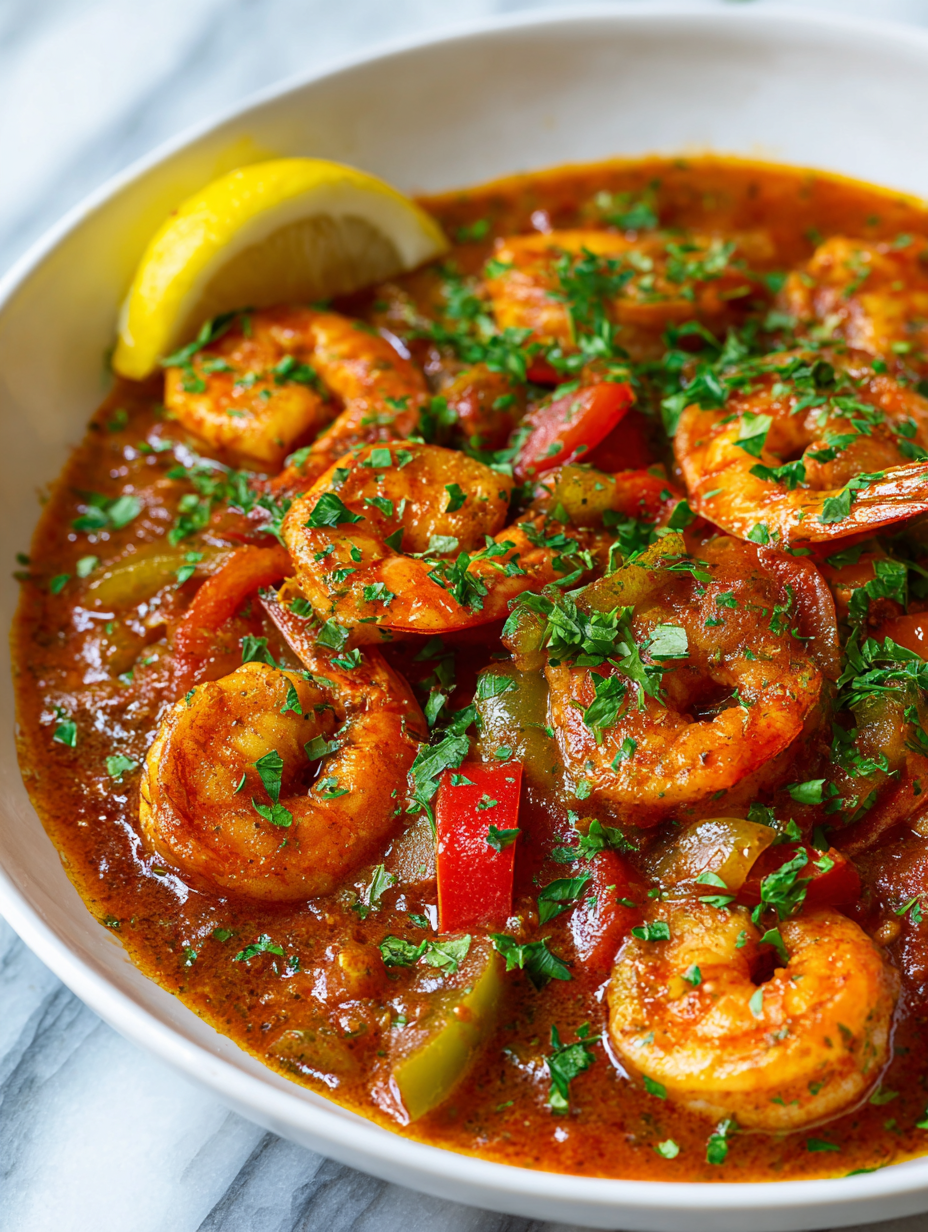
Smoky Louisiana Shrimp Étouffée
Ingredients
Equipment
Method
- Gather your tools: a heavy-bottomed skillet, a wooden spoon, a measuring cup, and a sharp knife. These will help you control heat and prep ingredients smoothly.
- Start by making your roux: heat the oil in the skillet over medium heat. Whisk in the flour and cook, stirring constantly, until the roux turns a deep caramel color, about 15-20 minutes. Keep an eye on it to prevent burning; you'll notice it smell nutty and look glossy.
- While the roux cools slightly, dice the onion, bell pepper, and celery. Mince the garlic and set everything nearby for quick addition.
- Add a splash of oil if needed, then sauté the chopped vegetables in the same skillet over medium heat. Cook for about 8 minutes, stirring occasionally, until they soften and release a sweet, fragrant aroma. The peppers should blister slightly.
- Add the minced garlic to the vegetables and cook for another minute until fragrant, stirring constantly.
- Pour the cooked roux into the skillet with the vegetables, stirring well to combine. The mixture should turn a rich, deep brown with a nutty smell filling the air.
- Slowly pour in the stock, stirring constantly to prevent lumps. Add bay leaves, smoked paprika, cayenne, and thyme. Bring the mixture to a gentle simmer, and let it cook for about 10 minutes, allowing flavors to meld and sauce to thicken slightly.
- Add the shrimp to the simmering sauce and cook for about 3 minutes, until they turn bright pink and are opaque. Gently stir to coat evenly and prevent overcooking.
- Taste the sauce and adjust seasoning with salt, more cayenne, or spices if needed. Remove bay leaves before serving.
- Spoon the hot étouffée over fluffy rice, garnish with chopped green onions, and serve immediately. The sauce should be thick, glossy, and smoky, with tender shrimp and vibrant vegetables.
Pro tips for perfect Shrimp Étouffée
- Bolded mini-head: Use a heavy-bottomed skillet → Ensures even heat for a smooth roux and prevents scorching.
- Bolded mini-head: Stir constantly while making roux → Achieves a rich, deep caramel color without burning.
- Bolded mini-head: Caramelize vegetables until fragrant → Releases natural sugars, boosting smoky sweetness.
- Bolded mini-head: Cook shrimp just until pink → Keeps them juicy and tender, avoids rubbery texture.
- Bolded mini-head: Adjust heat immediately if roux smells burnt → Start over or dilute to fix the smoky bitterness.
- Bolded mini-head: Taste and balance seasoning at the end → Adds brightness and ensures spice heat is just right.
Common mistakes and how to fix them
- FORGOT to watch roux color → ROUX turned black, start over with fresh oil and flour.
- DUMPED too much spice → Reduce cayenne or paprika if heat overwhelms the smoky depth.
- OVER-TORCHED the vegetables → Sauté at medium heat, stir frequently, and remove from heat if smelling burnt.
- MISSED the shrimp doneness test → Shrimp should be pink, opaque, and firm—don’t overcook beyond 3 minutes.
Quick fixes and pantry swaps
- When roux smells burnt → Splash in a bit of cold water to stop the cooking.
- If sauce is too thin → DUMP in a slurry of cornstarch and water, then simmer briefly.
- When shrimp are overcooked → Patch with a squeeze of lemon to brighten and refresh flavor.
- Splash extra spice when too mild → Use hot sauce or a pinch of cayenne to revive heat.
- When the smoky aroma is dull → Shield pan with foil and cook a few minutes longer for deeper caramelization.
Make-Ahead and Storage Tips
- Prep the vegetables—diced onions, peppers, and celery—up to a day ahead; store in an airtight container in the fridge, where they’ll keep crisp and fresh.
- Make the roux in advance; once cooled, transfer to a jar and refrigerate for up to 3 days. Reheat gently, stirring until smooth and fragrant.
- Cook and peel the shrimp ahead of time; store in an airtight container in the fridge for up to 24 hours. Reheat gently in a skillet to preserve juiciness.
- The flavors deepen overnight, so this dish tastes even better the next day. Reheat on low, stirring occasionally, until bubbling and hot to the touch.
- Reheated étouffée may thicken; stir in a splash of warm stock or water to loosen, then simmer until sauce is glossy and aromas return.
Top questions about Shrimp Étouffée
1. How can I tell when the shrimp are done?
Look for bright pink, firm shrimp with a briny aroma. Overcooked shrimp turn rubbery and dull in flavor.
2. How do I know my roux is perfect?
The roux should be a deep caramel color and smell nutty, not burnt. It’s the base for smoky depth.
3. What’s the key to flavorful vegetables?
Caramelize the vegetables until soft and fragrant, about 8 minutes, until they release a sweet aroma and slightly blister.
4. Can I use frozen shrimp?
Use fresh, briny shrimp for the best flavor. Frozen works if thawed thoroughly and patted dry to avoid excess water.
5. How do I prevent my roux from burning?
Stir constantly while making the roux to prevent burning. Keep the heat at medium and watch for a rich, deep color.
6. How do I know when the étouffée is ready?
Simmer the dish gently, about 85°C/185°F, until flavors meld and sauce thickens slightly. The shrimp should be opaque and tender.
7. When should I taste and adjust the seasoning?
Adjust seasoning at the end, adding more salt, spice, or lemon juice to brighten the smoky, spicy flavors.
8. Can I make this dish ahead of time?
Reheat gently on low, stirring often. The flavors deepen overnight, but be careful not to overcook the shrimp again.
9. What if the sauce is too thick after reheating?
If the sauce gets too thick, stir in a splash of warm stock or water and simmer briefly to loosen it.
10. What tools do I need for this recipe?
Use a heavy skillet for even heat, a wooden spoon for stirring, and a sharp knife for prep to keep things manageable.
This dish is a snapshot of Louisiana’s smoky, soulful spirit—perfect for deep, chilly nights where comfort matters more than ever. The aroma alone, with hints of caramelized onions and smoky spices, fills the room with a warm nostalgia that’s hard to beat.
Sharing this étouffée makes me realize how powerful simple ingredients and a little patience can be. It’s a reminder that some of the best moments happen around the stove, with a dish that’s as much about memory as it is about flavor.

Welcome to Owning This Stove. I’m so glad you’re here. I’m a food blogger, recipe developer, and storyteller who believes food is one of the most honest ways to understand a place, a person, or a moment in time. This blog is where I collect those moments, from quiet mornings in unfamiliar kitchens to crowded cafés filled with conversation and clinking cups.