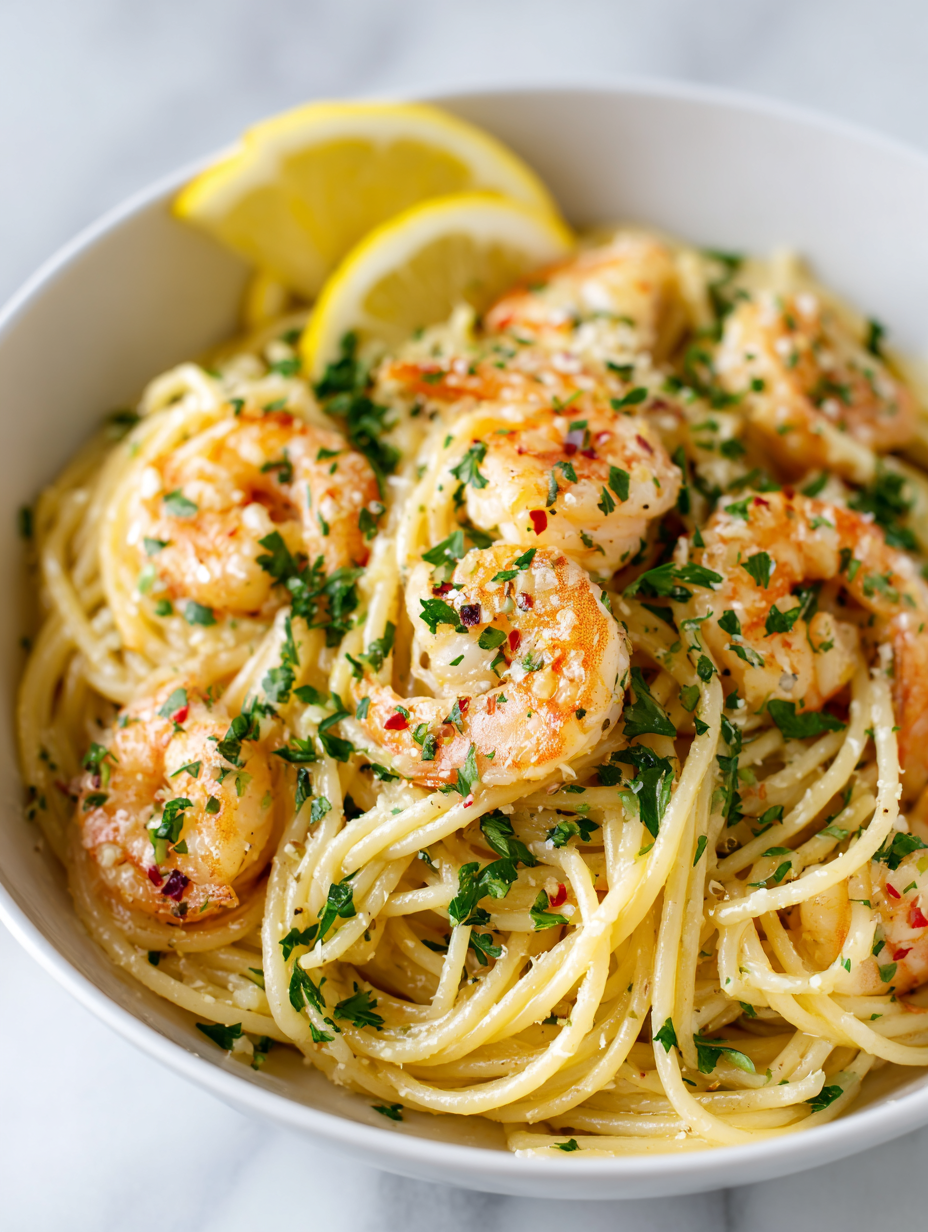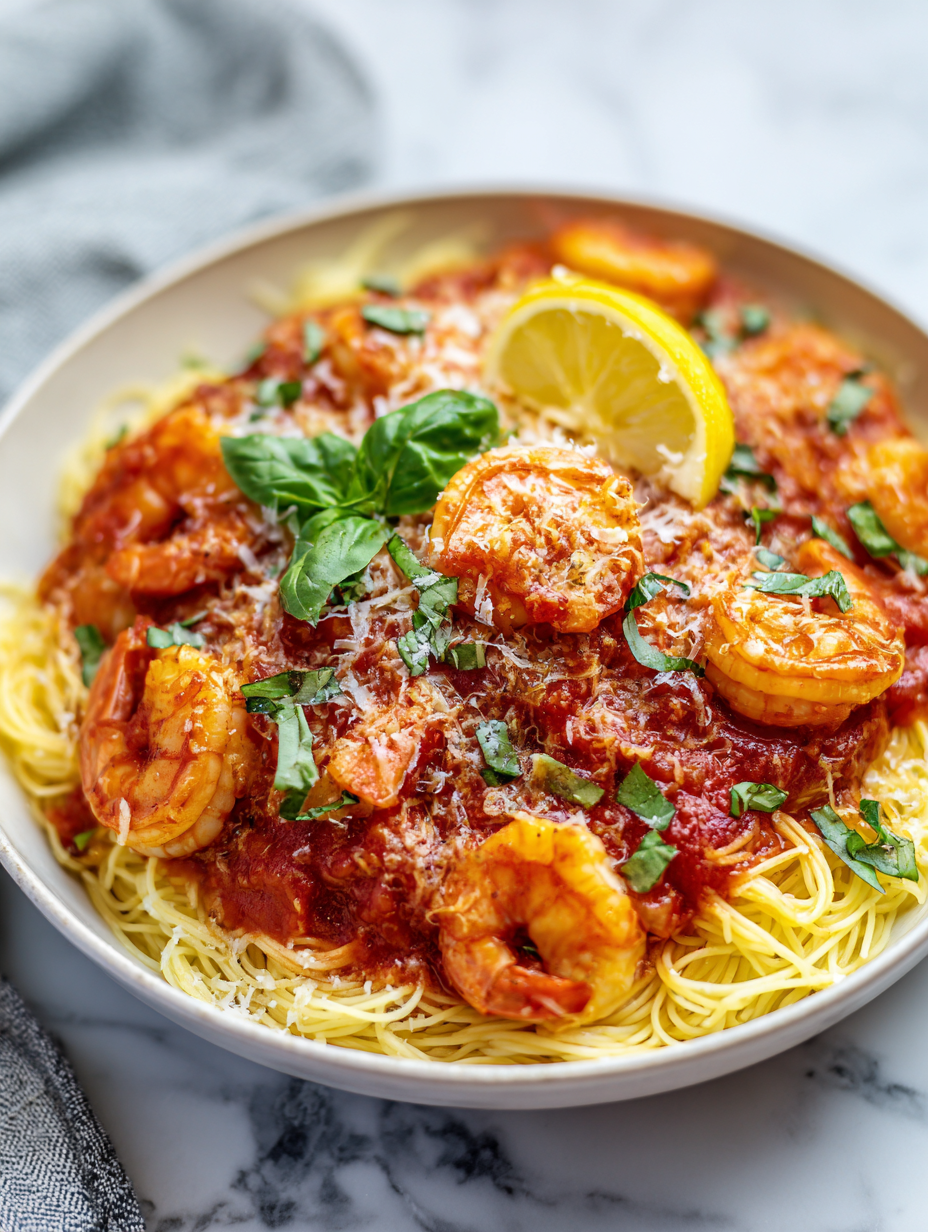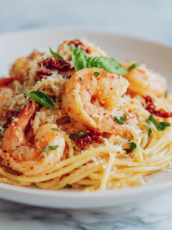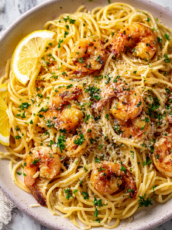
Making shrimp Alfredo is a lesson in patience and technique, not speed. I’ve learned that rushing the sauce results in a greasy, uncohesive mess, and that the magic lies in gentle simmering and careful stirring. It’s about coaxing that silky, creamy texture that clings to every plump shrimp and al dente pasta, making each bite feel indulgent but honest.
This recipe isn’t just about the end result — it’s about the process. I love the way the house fills with a buttery, cheesy aroma while the sauce thickens slowly, and how each step feels like a small victory. It’s a dish that demands your attention and rewards you with a sauce that’s velvety, rich, and just the right amount of luxurious.
Sometimes, it’s the simplest dishes that teach us the most patience. Shrimp Alfredo, with its quick-cooking shrimp and slow-emulsified sauce, reminds me to stay present at the stove. It’s a comfort food that’s perfect for quiet, thoughtful evenings and satisfying enough to serve whenever you need a little extra warmth.
Focusing on how to achieve the perfect creamy, silky Alfredo sauce that clings to shrimp, emphasizing technique and patience over quick fixes.
The art of silky sauce
- This dish reminds me that patience in the kitchen pays off in silky, clingy sauce that wraps around every bite.
- Cooking the shrimp just right, with that slight bounce, brings a sense of pride I didn’t expect from a simple pasta dish.
- There’s a nostalgic comfort in the creamy aroma filling the house, making even a busy weeknight feel special.
- Getting the sauce perfectly smooth feels like a small victory, especially after battling a tendency to overheat and break it.
- Sharing this with friends always sparks a quiet joy, knowing I managed to make something both comforting and impressive.
The story behind this recipe
- This dish came together one rainy evening when I was craving comfort but wanted to keep it simple. I remember rummaging through the fridge, finding some frozen shrimp and a block of good Parmesan, and thinking, why not? It’s funny how a spontaneous kitchen experiment can turn into a favorite recipe. Now, I keep these ingredients on hand just in case I need a quick, cozy meal that feels indulgent but is honestly straightforward.
- I love how this recipe reminds me that sometimes, the best dishes come from just a little patience and a few good-quality ingredients. It’s become my go-to when I want something satisfying without fuss. Plus, the aroma of butter melting into cream and cheese—nothing beats that for making the house feel warmer, even on the gloomiest days.
- heading: The story behind this recipe
Historical and cultural notes
- Shrimp Alfredo traces its roots to Italian-American cuisine, blending traditional pasta techniques with seafood innovation.
- The dish gained popularity in mid-20th-century America, often served in family-style restaurants and cozy dinner spots.
- Historically, Alfredo sauces were simpler, but American chefs added cream and cheese to craft the rich version we enjoy today.
- The combination of shrimp and creamy sauce became a symbol of indulgent comfort food during post-war culinary booms.
- Despite its modern popularity, this dish echoes centuries-old Italian pasta traditions reimagined for quick, satisfying meals.
Ingredient breakdown: key components
- Shrimp: I prefer large, fresh shrimp for their sweet, briny bite—look for ones that smell like the ocean, not ammonia. If yours are frozen, thaw slowly in the fridge to keep that firm, juicy texture.
- Heavy cream: Rich and velvety, it’s the backbone of the sauce. Swap with half-and-half if you want lighter, but expect a less luscious finish. The cream should feel silky when you swirl it in the pan.
- Parmesan cheese: I like a good aged Parmesan—sharp and crumbly. Grate it fresh right into the sauce for maximum flavor. Using pre-grated can make the sauce grainy and dull the richness.
- Garlic: Use fresh cloves for that pungent, aromatic punch. Sauté until fragrant but don’t let it brown, or it turns bitter. The smell should be warm and inviting, like a cozy kitchen.
- Butter: I use unsalted for control over saltiness, and it melts into the sauce with that glossy sheen. For an extra layer of depth, toss in a splash of olive oil when you start sautéing the garlic.
- Pasta: Fettuccine or linguine work best—they hold the sauce well. Cook until just al dente, so it finishes absorbing flavors when mixed with the creamy sauce. Save some pasta water—it’s magic for adjusting consistency.
- Lemon zest: Brightens everything up and cuts through the richness. Add just before serving to keep that zingy freshness. It’s the surprise that lifts each bite.
Spotlight on key ingredients
Shrimp:
- I prefer large, fresh shrimp for their sweet, briny bite—look for ones that smell like the ocean, not ammonia. If yours are frozen, thaw slowly in the fridge to keep that firm, juicy texture.
- Heavy cream: Rich and velvety, it’s the backbone of the sauce. Swap with half-and-half if you want lighter, but expect a less luscious finish. The cream should feel silky when you swirl it in the pan.
- Parmesan cheese: I like a good aged Parmesan—sharp and crumbly. Grate it fresh right into the sauce for maximum flavor. Using pre-grated can make the sauce grainy and dull the richness.
Garlic & Butter:
- Garlic: Use fresh cloves for that pungent, aromatic punch. Sauté until fragrant but don’t let it brown, or it turns bitter. The smell should be warm and inviting, like a cozy kitchen.
- Butter: I use unsalted for control over saltiness, and it melts into the sauce with that glossy sheen. For an extra layer of depth, toss in a splash of olive oil when you start sautéing the garlic.
Notes for ingredient swaps
- Dairy-Free: Swap heavy cream for coconut milk or cashew cream. Expect a slightly thinner sauce with a hint of sweetness.
- Low-Sodium: Use reduced-salt broth instead of salted butter or cheese. Watch for flavor loss and compensate with herbs or lemon.
- Gluten-Free: Replace regular pasta with rice or corn-based alternatives. Keep in mind they may have a different texture and absorb flavors differently.
- Vegan: Substitute shrimp with sautéed mushrooms or tofu, and use plant-based cream and cheese. The dish will be earthier and less briny.
- Lemon Variations: Use lime zest or a splash of white wine vinegar instead of lemon for a different bright note. Adjust quantity to taste.
- Cheese Choices: Try Pecorino Romano or Gruyère if Parmesan isn’t available. Each will lend a distinct salty or nutty profile.
- Garlic: Raw garlic is potent—adjust the amount based on your preference. Roasted garlic offers a mellow, caramelized flavor.
Equipment & Tools
- Large skillet: Cook shrimp and sauce, toss pasta comfortably.
- Knife & cutting board: Prep shrimp and garlic.
- Whisk: Emulsify cheese into the cream smoothly.
- Measuring cup: Measure pasta water and cream.
Step-by-step guide to Shrimp Alfredo
- Equipment & Tools: Gather a large skillet (about 25cm/10in), a sharp knife, a cutting board, a whisk, and a measuring cup. The skillet needs to be big enough to toss pasta and shrimp comfortably.
- Bring a large pot of salted water to a boil at 100°C (212°F). Cook pasta until just al dente, about 1 minute less than package instructions. Drain, reserving 1/2 cup pasta water, set aside.
- While pasta cooks, peel and devein the shrimp if not already done. Pat dry with paper towels. Season lightly with salt and pepper.
- Heat the skillet over medium heat (about 160°C/320°F). Add a tablespoon of butter and a splash of olive oil. Once melted and shimmering, add shrimp in a single layer.
- Step 4a: Sauté shrimp for 2-3 minutes per side, until they turn pink and opaque. They should have a slight bounce when pressed. Remove from pan and set aside.
- Step 4b: In the same pan, add a bit more butter if needed. Toss in minced garlic, cook until fragrant, about 30 seconds—smell should turn warm and aromatic, not burnt.
- Pour in heavy cream (about 1 cup). Bring to a gentle simmer, stirring constantly. Watch for the cream to thicken slightly, coating the back of a spoon, about 3-4 minutes.
- Lower heat to medium-low (about 140°C/284°F). Stir in grated Parmesan cheese gradually, allowing it to melt into the sauce. If the sauce gets too thick, add reserved pasta water a tablespoon at a time until it’s silky.
- Return shrimp to pan. Add lemon zest and freshly ground black pepper. Stir gently to coat shrimp with sauce, cooking for another minute to combine flavors.
- Toss cooked pasta into the sauce, mixing well to coat each strand. Adjust consistency with a splash more pasta water if needed. The sauce should cling smoothly and be velvety.
- Resting & Finishing: Serve immediately on warm plates. Garnish with extra Parmesan and a squeeze of lemon if desired. Let rest for a minute to let flavors settle before diving in.
- Checkpoints & How to Know It’s Done: The shrimp should be firm and opaque, sauce silky and coats pasta evenly, and Parmesan should be melted and integrated without graininess.
Serve hot immediately. Garnish with extra Parmesan and lemon zest if desired. Let sit briefly for flavors to meld before digging in.
How to Know It’s Done
- Shrimp are firm and pink, not translucent or rubbery.
- Sauce is velvety, coats the pasta without pooling or breaking.
- Parmesan is fully melted, sauce is glossy and smooth.
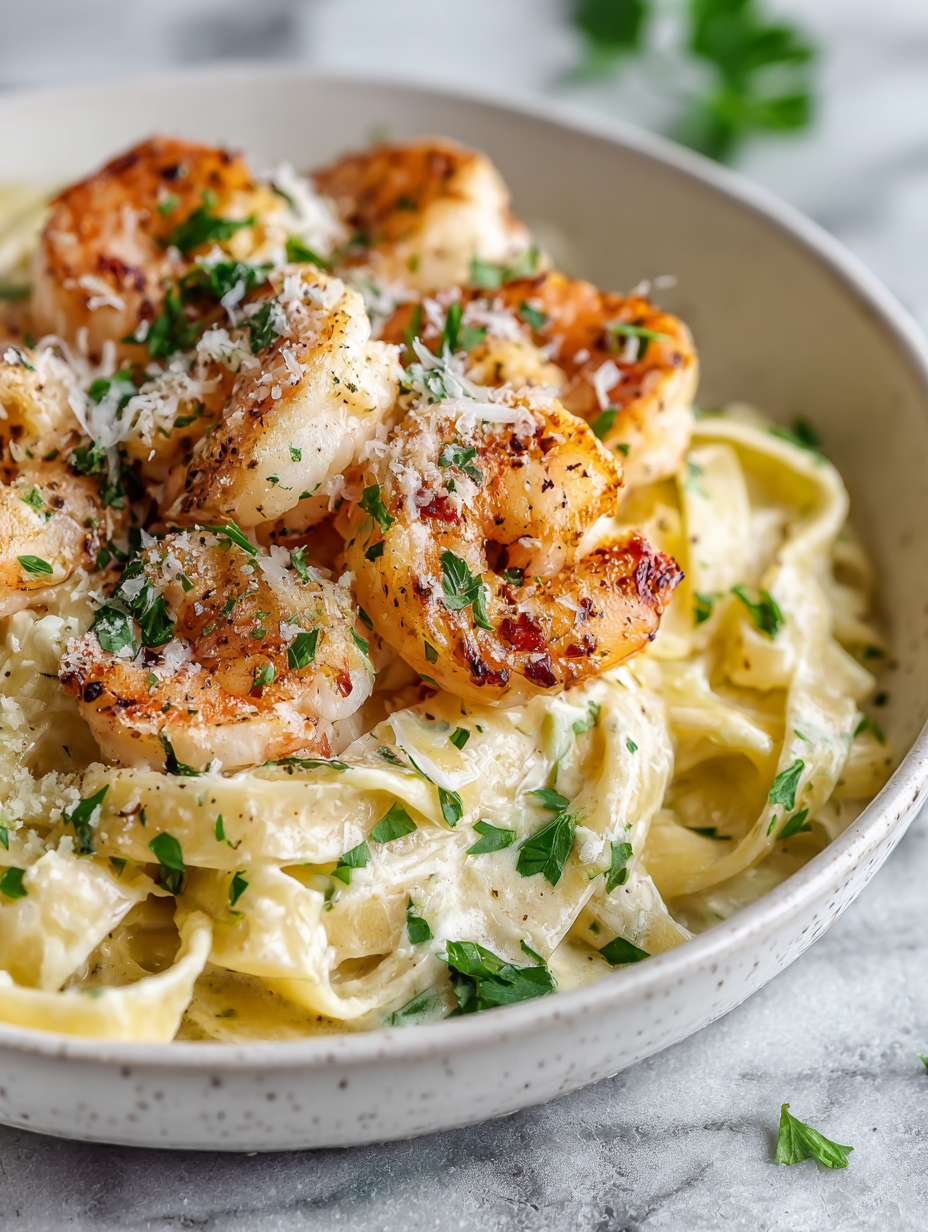
Shrimp Alfredo
Ingredients
Equipment
Method
- Bring a large pot of salted water to a boil and cook the pasta until just al dente, about 1 minute less than package instructions. Drain, reserving 1/2 cup of pasta water, and set aside.
- While the pasta cooks, peel and devein the shrimp if needed. Pat them dry with paper towels and season lightly with salt and pepper.
- Heat a large skillet over medium heat and add a tablespoon of butter along with a splash of olive oil. Once melted and shimmering, add the shrimp in a single layer.
- Sauté the shrimp for 2-3 minutes per side until they turn pink and slightly firm. They should have a gentle bounce when pressed. Remove the shrimp from the skillet and set aside.
- Add the remaining butter to the same skillet. Toss in the minced garlic and cook until fragrant, about 30 seconds, until you smell warm, aromatic notes filling the air.
- Pour in the heavy cream and bring it to a gentle simmer. Stir constantly for about 3-4 minutes until the cream begins to thicken and coats the back of a spoon.
- Lower the heat to medium-low and gradually stir in the grated Parmesan cheese, whisking until the sauce is smooth and velvety. If the sauce becomes too thick, add a splash of the reserved pasta water to loosen it.
- Return the cooked shrimp to the skillet, adding the lemon zest. Gently stir to coat the shrimp with the sauce and cook for another minute to meld the flavors.
- Toss the drained pasta into the skillet, mixing thoroughly to coat each strand with the sauce. Use additional reserved pasta water if needed to achieve a silky, clingy consistency.
- Remove from heat and serve immediately, garnished with extra Parmesan or lemon zest if desired. Enjoy the rich, velvety texture and fragrant aroma filling your kitchen.
Pro tips for perfect Shrimp Alfredo
- Use fresh garlic for maximum aroma and avoid bitterness by sautéing just until fragrant.
- Keep the heat moderate when adding cheese to prevent graininess and ensure smooth melting.
- Toss pasta into the sauce off the heat to avoid overcooking and sticking, then gently toss to coat.
- Add reserved pasta water gradually to achieve a silky, clingy sauce consistency without thinning it out.
- Sauté shrimp just until they turn pink and opaque—overcooking leads to rubbery bites. Remove promptly.
- Stir the sauce constantly during simmering to prevent it from breaking or scorching, especially as it thickens.
- Finish with lemon zest right before serving for a bright, fresh contrast to the creamy richness.
Common mistakes and how to fix them
- FORGOT to watch shrimp: overcooking makes them rubbery. Fix by removing from heat immediately once pink.
- DUMPED sauce too early: let it thicken for a velvety texture, about 3-4 minutes simmering gently.
- OVER-TORCHED garlic: turns bitter. Sauté until fragrant, just golden, no more than 30 seconds.
- MISSED salt balance: taste sauce before serving; adjust with a pinch of salt or cheese for depth.
Quick fixes and pantry swaps
- When sauce breaks, splash in a little cold water and whisk vigorously to rescue silky texture.
- If shrimp are overcooked, quickly toss in hot pasta to reheat and absorb residual heat.
- DUMPED too much salt? Rinse shrimp quickly under cold water to reduce saltiness, then pat dry.
- Splash olive oil if sauce thickens too much before serving, keeping it luscious and smooth.
- Patch bland sauce by stirring in a spoonful of grated Parmesan or a squeeze of lemon for brightness.
Prep, store, and reheat tips
- You can prep the shrimp by peeling and deveining them a day ahead; keep covered in the fridge to maintain freshness and briny aroma.
- The creamy sauce can be made up to 2 hours in advance. Reheat gently over low heat, stirring constantly until it’s silky again and smells warm and cheesy.
- Cooked pasta can be stored in an airtight container in the fridge for up to 24 hours. Reheat in hot water or microwave, adding a splash of water or cream to revive the sauce’s texture and shine.
- Fresh lemon zest and grated Parmesan are best added just before serving for maximum brightness and flavor. Store separately if you want to prepare components ahead.
- For longer storage, leftovers will keep in the fridge for 2-3 days. Reheat slowly on the stovetop, watching for sauce to thicken and become velvety again, with a pleasing cheesy aroma.
Top questions about Shrimp Alfredo
1. What kind of shrimp works best?
Use fresh, large shrimp for a sweet, briny bite. Thaw frozen shrimp slowly in the fridge to keep their firm texture.
2. Can I use a different cream?
Heavy cream makes the sauce silky and rich. Swap with half-and-half for a lighter version, but expect less creaminess.
3. Should I buy pre-grated Parmesan?
Grate Parmesan fresh for the best flavor and smooth melting. Pre-grated cheese can make the sauce grainy and dull.
4. How do I prevent garlic from burning?
Sauté garlic just until fragrant, about 30 seconds, to avoid bitterness. The aroma should be warm and inviting.
5. How do I keep the pasta from overcooking?
Cook pasta until just al dente, then toss it into the sauce off the heat. Save some pasta water to loosen the sauce if needed.
6. When should I add lemon zest?
Add lemon zest just before serving for a bright, fresh contrast. It lifts the creamy richness with a zingy aroma.
7. Why save pasta water?
Reserve some pasta water before draining. It’s magic for adjusting the sauce’s silky texture and ensuring it coats every strand.
8. What pan size is best?
Use a large skillet to toss everything comfortably and prevent overcrowding. It helps the shrimp and sauce cook evenly.
9. How do I avoid overcooking shrimp?
Watch the shrimp carefully; overcooked shrimp become rubbery. Remove as soon as they turn pink and opaque.
10. How do I reheat shrimp Alfredo without ruining it?
Reheat leftovers slowly over low heat, stirring constantly to restore the velvety sauce and bring back that cheesy aroma.
This shrimp Alfredo isn’t just another pasta dish; it’s a reminder that patience and attention to detail can turn simple ingredients into something truly satisfying. The way the creamy sauce clings to each shrimp and strand of pasta makes every bite feel like a small reward.
Whenever I make this, I’m reminded of how a homemade meal can bring comfort and pride, even on the busiest nights. It’s a dish that feels indulgent but honest, perfect for slow evenings or when you need a little quiet celebration in the kitchen.