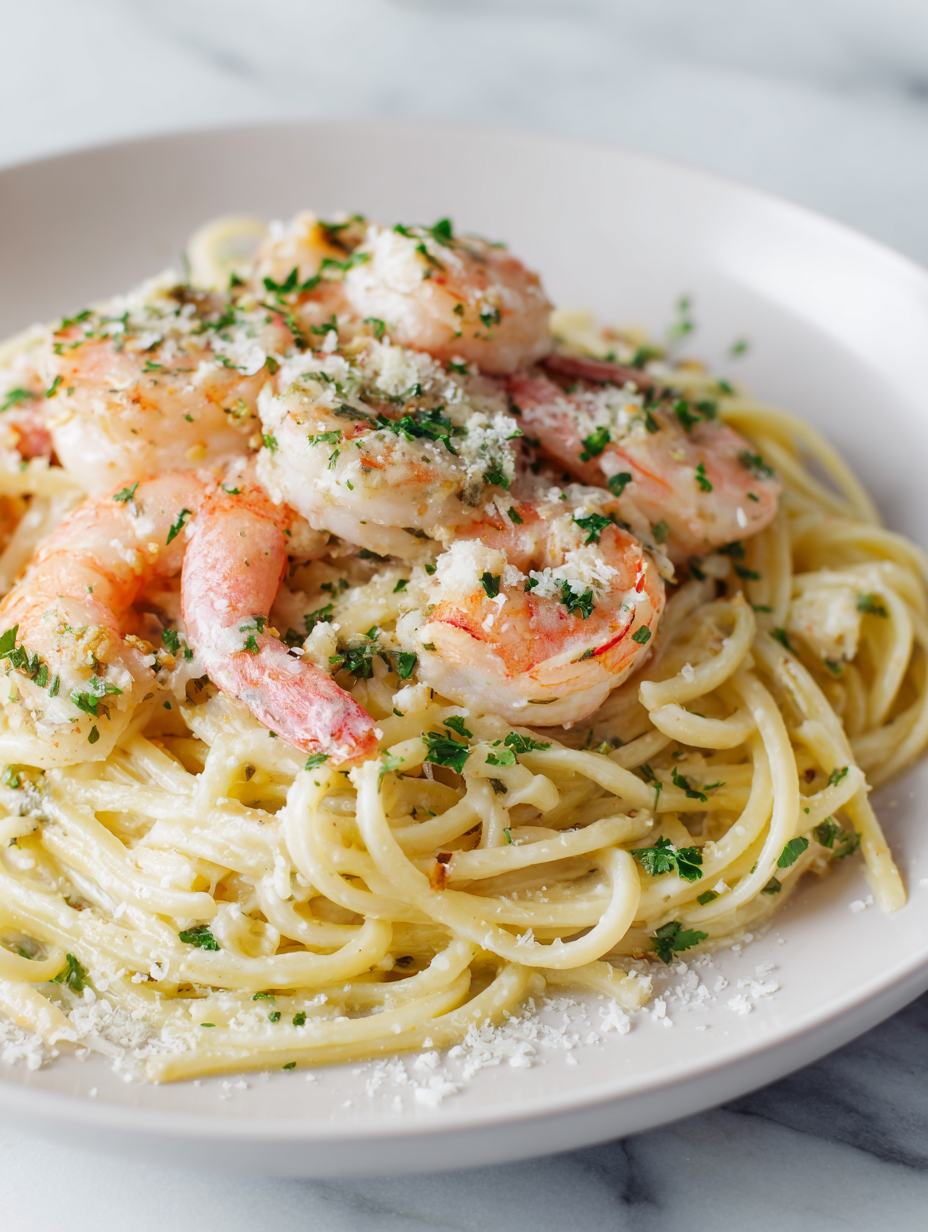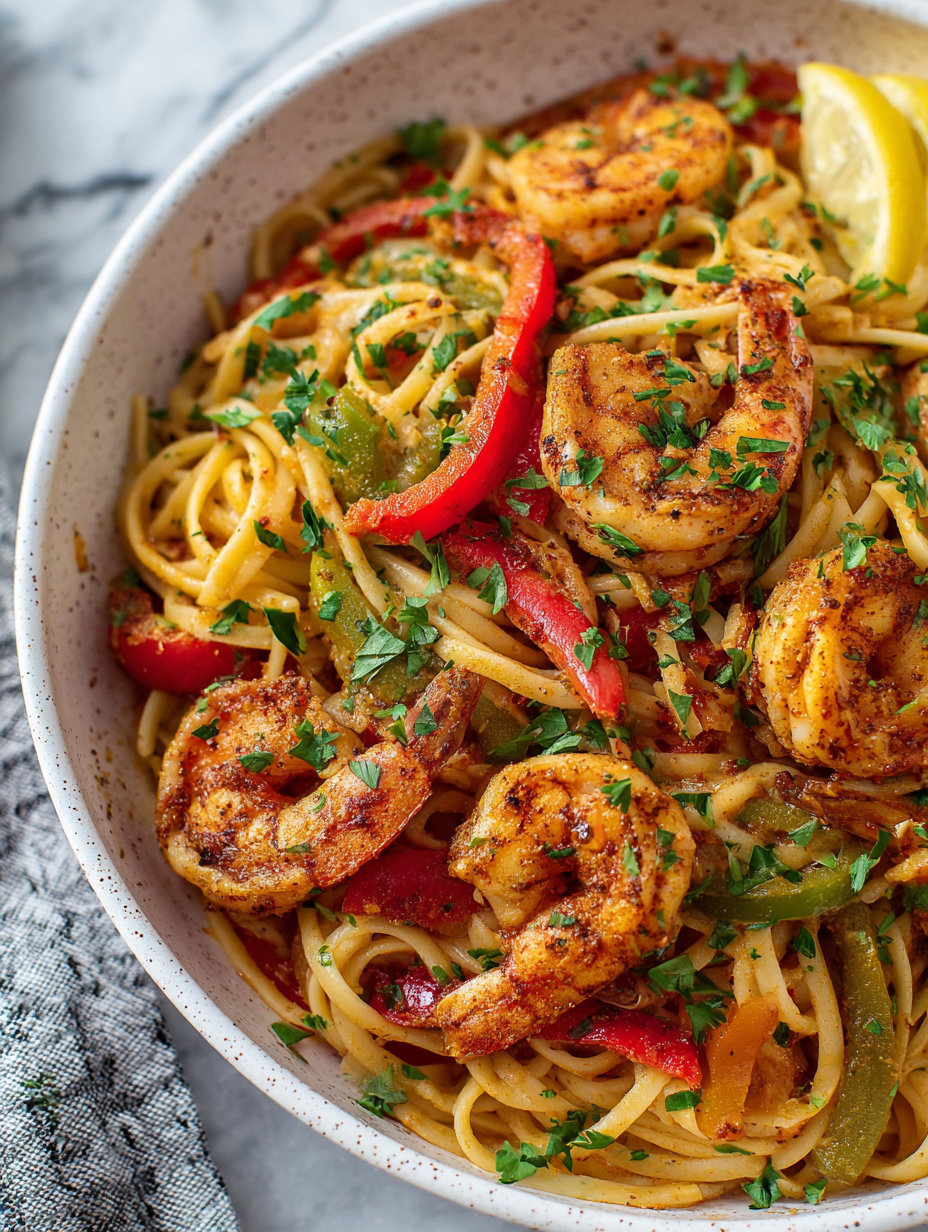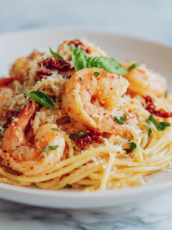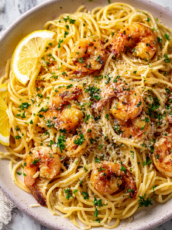
Shrimp carbonara isn’t just a quick pasta toss; it’s a chance to play with smoky, spicy layers that wake up the usual creamy sauce. I love how the shrimp get a bit caramelized and tender, contrasting with the silky, chipotle-infused cream. It’s comfort food with a kick — enough to spice up any weeknight dinner.
This recipe came together one rainy evening when I wanted something familiar but with a little extra edge. Instead of classic pancetta, I grabbed some smoky chipotle peppers, and that smoky warmth just took it somewhere new. The best part? The smell of garlic and shrimp sizzling in the pan, filling up the kitchen and promising flavor in every bite.
If you’re tired of the same old carbonara, give this shrimp version a try. It’s a twist that balances richness with spice, making it perfect for those cozy nights or even a casual dinner with friends. The smoky, spicy aroma alone is enough to get everyone asking for seconds.
This recipe focuses on elevating shrimp carbonara by using a smoky, chipotle-infused cream sauce, transforming a classic into a bold, unexpected dish that balances creamy richness with spicy depth.
Elevating Shrimp Carbonara
- Cooking this dish reminds me of lazy summer nights by the coast, where fresh shrimp and simple pasta come together effortlessly.
- I used to shy away from carbonara, thinking it was too rich—this version with smoky chipotle changed that for me, making it exciting and still comforting.
- There’s a small thrill in tossing pasta with hot, fragrant sauce and watching it coat every strand perfectly, especially when the shrimp turn a beautiful pink and get a slight char.
- Every time I make this, I feel a rush of pride—it’s easier than you think, but it looks and tastes like you’ve put in way more effort.
- Sharing this with friends always sparks conversations about bold flavors and how a simple dish can surprise with a smoky, spicy twist.
The spark behind this dish
- This dish was born out of a night when I wanted to marry two of my favorite things: seafood and smoky, spicy flavors. I was craving something familiar, but with a twist that would surprise my taste buds. The idea of adding chipotle to a classic carbonara felt daring, but the result was unexpectedly balanced—creamy, smoky, with just enough heat to keep things interesting.
- I remember the moment I first tried it—shrimp perfectly caramelized, coated in a sauce that had both richness and a smoky punch. The kitchen filled with an aroma that made everyone stop and sniff, eyes wide with curiosity. It’s a reminder that sometimes, a small tweak can turn a comforting dish into something memorable. This recipe is my attempt to elevate a simple pasta night into a little celebration of bold flavors.
- heading: ‘The spark behind this dish’
Trivia and Origins
- Shrimp carbonara is a modern twist on the traditional Italian classic, blending seafood with a smoky, spicy edge.
- The dish’s roots trace back to Italy’s coastal regions, where fresh seafood and simple pasta dishes are staples.
- Creative cooks over the years have experimented with different proteins and smoky elements, leading to this flavorful variation.
Ingredient breakdown: key components
- Shrimp: I prefer large, fresh shrimp that are firm and slightly sweet; their sweetness balances the smoky sauce. Skip frozen if possible, for better texture.
- Pasta: I reach for spaghetti or bucatini—long, sturdy strands that hold the sauce well. Under or overcooking makes the sauce cling or slip off, so aim for al dente.
- Cream: I use heavy cream for richness, but if you want a lighter version, half-and-half works — just reduce the sauce a bit to intensify the flavor.
- Chipotle peppers: I love the smoky, oozing heat they add; use in adobo sauce for depth. If you prefer less spice, start with a small amount and build gradually.
- Garlic: I like minced garlic that sizzles immediately in hot oil, filling the kitchen with its pungent aroma. Skip if you’re not a fan of strong garlic flavor.
- Parmesan: Freshly grated Parmesan melts into the sauce, creating that classic umami punch. Pecorino Romano can be a salty alternative, if you prefer.
- Olive oil: Good-quality extra virgin olive oil is my go-to for sautéing the shrimp and garlic—its fruity aroma adds an extra layer of flavor.
Spotlight on Key Ingredients
Shrimp:
- I prefer large, fresh shrimp that are firm and slightly sweet; their sweetness balances the smoky sauce. Skip frozen if possible, for better texture.
- Pasta: I reach for spaghetti or bucatini—long, sturdy strands that hold the sauce well. Under or overcooking makes the sauce cling or slip off, so aim for al dente.
- Cream: I use heavy cream for richness, but if you want a lighter version, half-and-half works — just reduce the sauce a bit to intensify the flavor.
Pasta and Flavor Base:
- Chipotle peppers: I love the smoky, oozing heat they add; use in adobo sauce for depth. If you prefer less spice, start with a small amount and build gradually.
- Garlic: I like minced garlic that sizzles immediately in hot oil, filling the kitchen with its pungent aroma. Skip if you’re not a fan of strong garlic flavor.
- Parmesan: Freshly grated Parmesan melts into the sauce, creating that classic umami punch. Pecorino Romano can be a salty alternative, if you prefer.
Notes for ingredient swaps
- Dairy-Free: Swap heavy cream for coconut milk or cashew cream. Expect a lighter, slightly sweeter sauce.
- Gluten-Free: Use gluten-free pasta or spiralized zucchini noodles. The texture will be a bit different, but still delicious.
- Seafood: Substitute scallops or firm white fish like cod if shrimp isn’t available. Keep in mind: different cooking times and flavors.
- Smoky Heat: Instead of chipotle peppers, try smoked paprika or a dash of cayenne for a milder smoky kick.
- Cheese: Pecorino Romano can replace Parmesan for a sharper, saltier flavor—just grate it fresh for best melt.
- Oil: Avocado oil or light sesame oil can be used for sautéing—these add subtle differences in aroma and heat tolerance.
- Pasta: Try linguine or fettuccine instead of spaghetti for a different bite, but keep an eye on cooking time to keep al dente.
Equipment & Tools
- Large skillet or sauté pan: Cook shrimp and sauce evenly
- Large pot: Boil pasta
- Grater: Freshly grate cheese
- Tongs: Handle shrimp and pasta
- Wooden spoon: Stir sauce and ingredients
Step-by-step guide to shrimp carbonara
- Equipment & Tools: Use a large, deep skillet or sauté pan for even heat distribution. Have a pot of salted water ready for pasta. Grater for cheese, tongs for shrimp, and a wooden spoon for stirring.
- Bring a large pot of salted water to a rolling boil (around 100°C/212°F). Cook pasta until just al dente, about 8-10 minutes. Drain, reserving ½ cup pasta water.
- While pasta cooks, heat the skillet over medium-high heat (around 180°C/356°F). Add a splash of olive oil, then sauté the shrimp until pink and slightly charred, about 2-3 minutes per side. Remove and set aside.
- In the same pan, lower heat to medium (around 160°C/320°F). Add a little more olive oil if needed, then sauté minced garlic until fragrant, about 30 seconds. Add chopped chipotle peppers in adobo sauce, cooking briefly to deepen flavor.
- Pour in heavy cream or half-and-half, stirring to combine with garlic and chipotle. Let it simmer lightly for 2-3 minutes, until slightly thickened. Taste and adjust spice if needed.
- Return shrimp to the pan. Add cooked pasta, tossing well to coat everything in the smoky, creamy sauce. If the sauce is too thick, loosen with reserved pasta water, a tablespoon at a time. Keep stirring for 1-2 minutes until well combined.
- Turn off heat. Stir in freshly grated Parmesan until melted and glossy. Check for seasoning—add salt or more cheese if needed.
- Rest the pasta for 1-2 minutes off heat to let flavors meld. Plate immediately, garnishing with extra cheese or herbs if desired.
- Checkpoints & Doneness: Shrimp should be tender and pink with a slight caramelized edge; pasta should be al dente with a silky sauce; aroma should be smoky and rich.
Let the pasta rest for 1-2 minutes off heat, then serve immediately. Garnish with extra cheese or herbs if desired for added flavor and presentation.
How to Know It’s Done
- Shrimp: Pink, slightly charred edges, firm touch.
- Sauce: Creamy, smooth, with smoky aroma and a slight shimmer.
- Pasta: Al dente, well-coated, not clumpy.
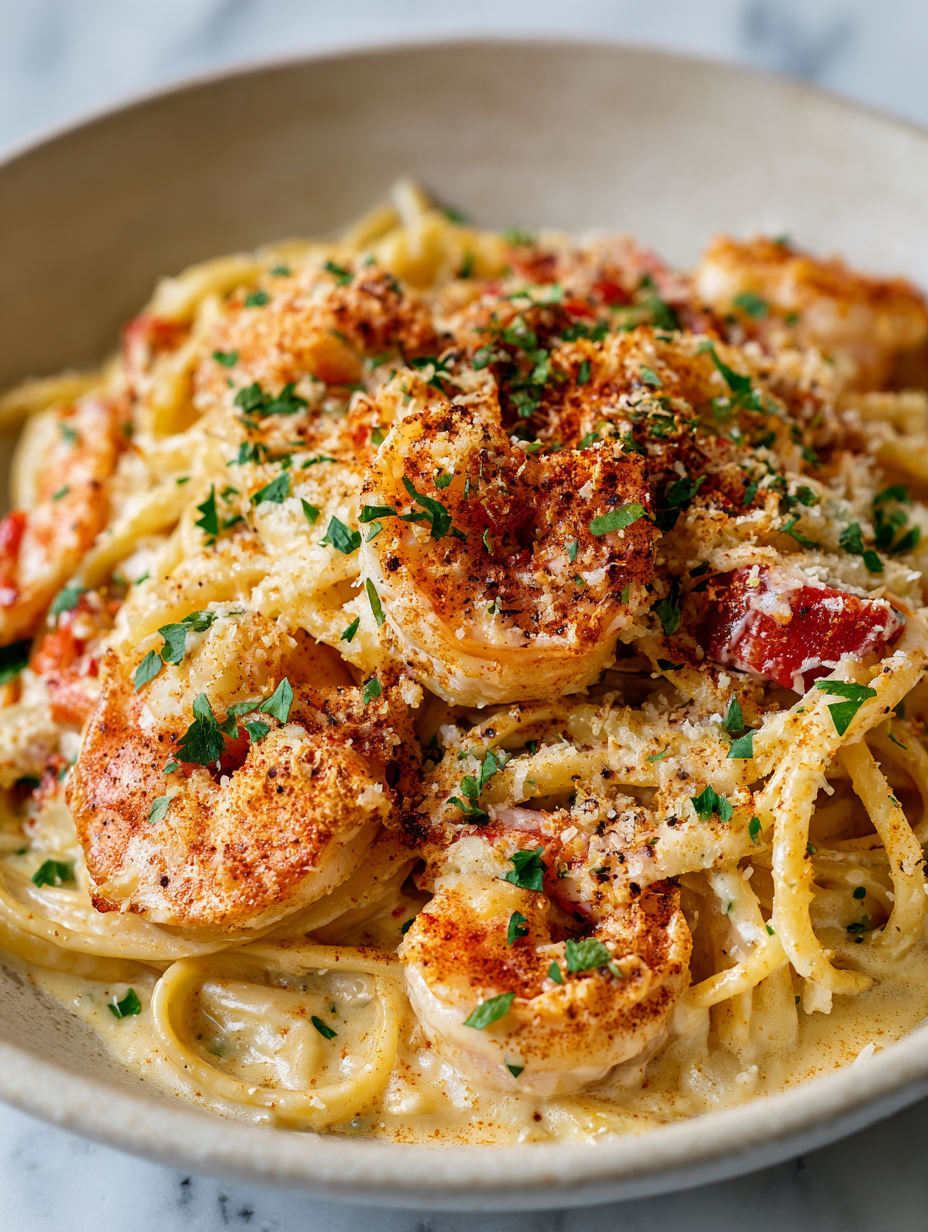
Smoky Chipotle Shrimp Carbonara
Ingredients
Equipment
Method
- Bring a large pot of salted water to a rolling boil, then add the pasta and cook until just al dente, about 8-10 minutes. Drain and set aside, reserving a cup of pasta water.
- While the pasta cooks, heat a large skillet over medium-high heat. Add a tablespoon of olive oil, then carefully place the shrimp in the pan. Sear for 2-3 minutes per side until they turn pink and develop a slight char, filling the kitchen with a warm, savory aroma. Remove the shrimp from the pan and set aside.
- Lower the heat to medium and add another tablespoon of olive oil to the same skillet. Sauté the minced garlic until it becomes fragrant, about 30 seconds, being careful not to burn it. Then, stir in the adobo sauce with chipotle peppers, cooking briefly to deepen the smoky flavor.
- Pour in the heavy cream, stirring well to combine with the smoky garlic mixture. Let it simmer gently for 2-3 minutes until it starts to thicken slightly and fills the kitchen with a rich, smoky scent. Season with salt and pepper to taste.
- Return the cooked shrimp to the skillet, stirring to coat them evenly in the sauce. Add the drained pasta to the pan, tossing everything together until the noodles are fully coated and the sauce clings beautifully. If the sauce is too thick, loosen it with a splash of the reserved pasta water, stirring gently.
- Turn off the heat and sprinkle the grated Parmesan cheese over the pasta. Stir until the cheese melts into the sauce, creating a glossy, velvety coating. Taste and adjust seasoning as needed.
- Let the pasta rest for a minute off the heat to allow the flavors to meld. Serve immediately, garnished with extra cheese or herbs if desired, and enjoy the smoky, spicy richness of this twist on classic carbonara.
Pro tips for shrimp carbonara
- Bolded mini-head: Use high heat when searing shrimp to quickly develop a caramelized exterior without overcooking the inside.
- Bolded mini-head: Sauté garlic briefly until fragrant but not browned to avoid bitterness and preserve its bright aroma.
- Bolded mini-head: Reserve some pasta water to loosen the sauce, adding starchy liquid for silky texture and better coating.
- Bolded mini-head: Add chipotle in adobo gradually; start small and taste, controlling heat and smoky depth easily.
- Bolded mini-head: Toss pasta and shrimp in the sauce off the heat to prevent curdling and ensure a glossy, smooth finish.
- Bolded mini-head: Rest the finished dish for a minute to allow flavors to meld before serving—don’t skip this step.
- Bolded mini-head: Finish with freshly grated cheese off the heat for maximum meltability and umami richness.
Common mistakes and how to fix them
- FORGOT to adjust heat after adding cream → Keep heat moderate to prevent curdling.
- DUMPED the shrimp with sauce → Sear shrimp separately to avoid overcooking and bitterness.
- OVER-TORCHED the garlic → Sauté garlic until fragrant, about 30 seconds, to prevent bitterness.
- FAILED to reserve pasta water → Save starchy water to loosen sauce if it thickens too much.
Quick fixes and pantry swaps
- When sauce looks too thick, splash in a bit of hot pasta water and stir vigorously.
- If shrimp turn rubbery, immediately remove from heat and serve to prevent overcooking.
- Splash lemon juice if sauce is too smoky—brightens flavors instantly.
- Patch a broken sauce with a small knob of cold butter, whisk until smooth.
- Shield from burning by lowering heat or removing pan from direct flame when aroma shifts to burnt.
Prep, store, and reheat tips
- Prepare the sauce components: sauté garlic and chipotle in advance for a smoky, ready-to-use flavor base, stored in an airtight container for up to 2 days.
- Cook the pasta al dente, rinse with cold water to stop cooking, then toss lightly with olive oil. Store in the fridge for up to 24 hours; reheat in boiling water for 30 seconds.
- Cook and peel shrimp ahead of time; keep in an airtight container in the fridge for up to 1 day. Reheat gently in a skillet over low heat to avoid overcooking.
- Store grated Parmesan separately in an airtight jar or bag. Fresh cheese keeps up to 3 days in the fridge, but best added just before serving for maximum flavor.
- Reheat leftovers gently in a skillet over low heat, stirring constantly, until sauce is warmed through and fragrant. Avoid high heat to prevent separation or curdling.
- For best results, assemble the dish fresh, but these prep steps help streamline busy weeknights without sacrificing flavor or texture.
Top questions about shrimp carbonara
1. Can I use frozen shrimp?
Use fresh, large shrimp for best sweetness and texture. Frozen can work but may be less firm.
2. Can I use thawed frozen shrimp?
Yes, just thaw and pat dry thoroughly before cooking to avoid excess water in the pan.
3. How do I brighten the dish’s flavor?
Add a splash of lemon juice or zest to brighten the smoky, spicy flavors just before serving.
4. What’s the best way to cook the shrimp?
Cooking the shrimp over high heat quickly develops a caramelized, smoky exterior while keeping them tender.
5. Can I make it dairy-free?
Use heavy cream or half-and-half; for dairy-free, coconut or cashew cream works but changes richness.
6. Why reserve pasta water?
Reserve some pasta water before draining. It helps loosen the sauce if it thickens or sticks too much.
7. When should I add the cheese?
Add the cheese off the heat to ensure it melts smoothly and avoids graininess.
8. What equipment do I need?
Use a deep skillet for even heat and ample space to toss pasta and shrimp comfortably.
9. How long should I cook the pasta?
Cook pasta until just al dente, about 8-10 minutes; it will finish cooking with the sauce.
10. How do I store leftovers?
Store leftovers in an airtight container in the fridge for up to 2 days. Reheat gently in a skillet.
This smoky shrimp carbonara isn’t just a dinner—it’s a little rebellion against the usual. The combination of tender shrimp and that spicy, creamy sauce makes every bite feel like a small celebration. It’s perfect for when you want comfort but with a bold twist.
Cooking this dish reminds me how simple ingredients can turn into something memorable when you play with smoky, spicy flavors. It’s a dish that’s honest, satisfying, and just a little unexpected—kind of like a good secret worth sharing in your own kitchen.