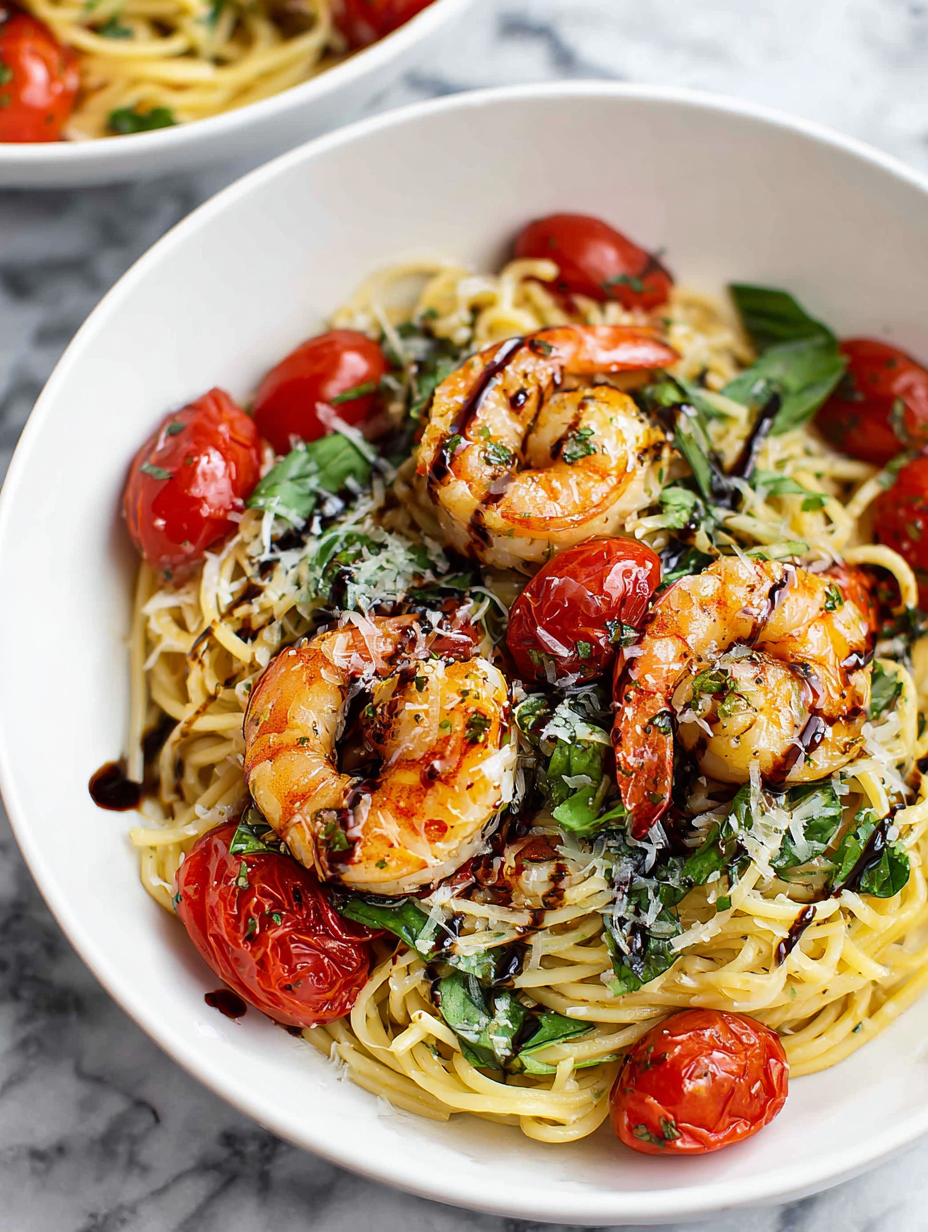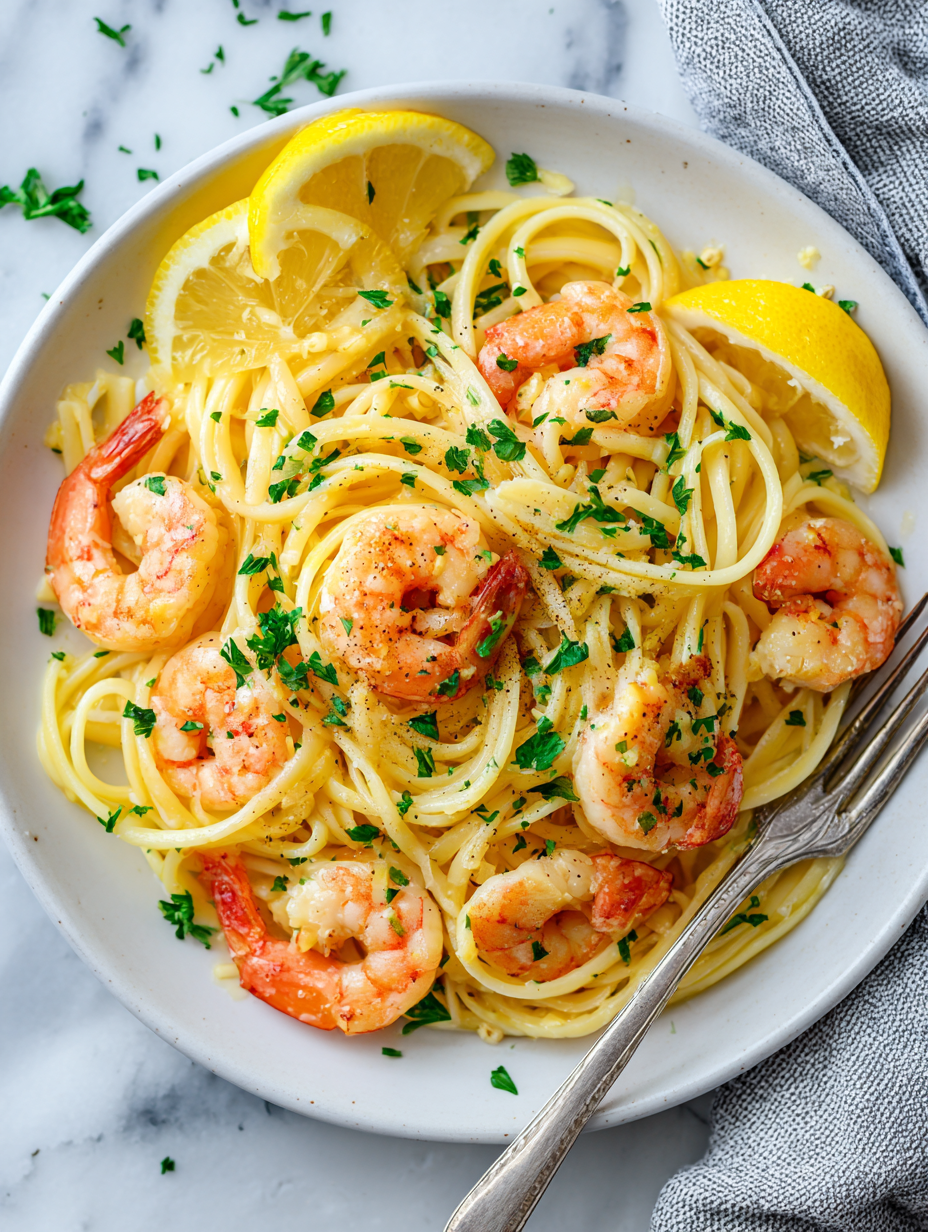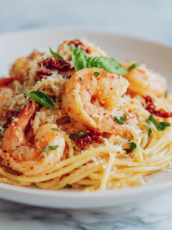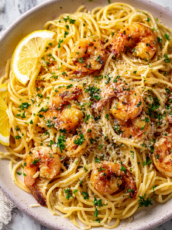
This shrimp garlic pasta recipe is my go-to when I want something quick yet satisfying, especially after a long day. The secret lies in the garlic—lots of it—and a splash of white wine that lifts everything without overpowering. It’s the kind of dish that feels fancy enough for guests but simple enough for a weeknight dinner.
I love how the shrimp turn perfectly tender and juicy, coated in a fragrant, slightly smoky garlic butter sauce. It’s a dish that comes together in one pan, with aromas that fill the kitchen and make everyone eager to dig in. Plus, it’s versatile—I often toss in a handful of spinach or a squeeze of lemon at the end to brighten it up.
This recipe is inspired by those nights when I crave comfort but also want to impress with something quick and flavorful—using a secret ingredient that adds a smoky depth to the garlic butter sauce, transforming simple shrimp pasta into a restaurant-worthy dish in under 30 minutes.
Secret Smoky Touch
- Cooking this dish reminds me of summer evenings on the coast, where fresh shrimp and garlic are everywhere.
- There’s a chaotic joy in tossing everything together last minute, trusting the aromas to guide you.
- Every time I make it, I feel a small pride—like I’ve captured that perfect balance of comfort and elegance.
- It’s one of those recipes that feels like a secret handshake among kitchen geeks, simple but deeply satisfying.
- Sometimes, I add a pinch of red pepper flakes just for that unexpected, fiery kick—makes me smile every time.
The inspiration behind this dish
- This dish came together one hectic weeknight when I realized I had a bag of frozen shrimp and a head of garlic that needed using. I wanted something flavorful but fast, and somehow, that combination always makes me nostalgic for summer seafood dinners by the coast. It’s funny how a simple pasta can feel like a small escape, even if you’re just in your own kitchen.
- I remember the first time I added a splash of white wine—made everything smell so alive, like a little celebration in a pan. Since then, I’ve tweaked the recipe over and over, always coming back to the basics but adding tiny touches—like a pinch of red pepper flakes or a squeeze of lemon—that turn it from good to memorable.
- heading:
Trivia and historical tidbits
- This shrimp garlic pasta variation has roots in coastal Italian cooking, where fresh seafood and garlic are staples.
- The idea of adding wine to pasta sauces dates back centuries, originally to deepen flavor and add a touch of sophistication.
- Garlic was once considered a powerful medicinal herb, and in many cultures, its use in cooking was believed to bring good health.
- Shrimp became popular in Italian-American cuisine post-19th century, especially in coastal regions where seafood was abundant.
- This dish is a modern take on simple, rustic pasta recipes that emphasize fresh ingredients and quick execution.
Key Ingredients and Tips
- Shrimp: I like my shrimp to be tender and slightly sweet, so I avoid overcooking. Tip: cook until they turn pink and opaque—about 2-3 minutes per side in a hot pan, and they’ll stay juicy.
- Garlic: It’s the flavor backbone here. I use plenty of freshly minced garlic, which gets fragrant and slightly golden—avoid burning it, or it’ll turn bitter and harsh. Keep the heat moderate and stir often.
- Olive Oil: I prefer a good extra-virgin for that fruity, peppery note. Use enough to coat the pan well—this is your flavor base. Swapping for avocado oil is fine if you want a milder profile.
- Pasta: I usually go for spaghetti or linguine, cooked al dente. Toss it directly into the sauce so it absorbs all those garlicky, savory juices—don’t rinse after draining.
- Lemon: A squeeze brightens all the rich butter and garlic. I add it at the end, and the zest adds a zesty punch that makes the dish lively—use fresh lemon juice for the best aroma.
- White Wine: It adds depth and a subtle acidity. I use a splash, about ¼ cup, and let it cook down until it’s just a little syrupy—if you don’t cook with wine, chicken broth works as a good substitute.
- Red Pepper Flakes: Just a pinch gives a gentle heat that balances the richness. Adjust to your spice tolerance—start small and taste as you go.
Spotlight on Key Ingredients
Shrimp:
- I prefer mine tender and juicy—cooked just until they turn pink and firm, about 2-3 minutes per side. Overcooking makes them rubbery, so watch that color and texture.
- Their natural sweetness is highlighted when cooked quickly at high heat, resulting in a lightly smoky aroma and a satisfying bite. Fresh, not frozen, makes a noticeable difference in flavor and texture.
Garlic:
- I use plenty of fresh minced garlic because it releases a fragrant, slightly nutty aroma as it cooks. When golden and fragrant, it’s the sign to move on—avoid burning, or it’ll turn bitter and harsh.
- It transforms from pungent to sweet and mellow when cooked properly. During sautéing, it should shimmer and turn a light golden hue, filling the kitchen with a warm, inviting smell.
Notes for ingredient swaps
- Protein: Chicken breast can replace shrimp. It’s milder, firmer, and needs longer cooking—about 10 minutes per side over medium heat. Expect a leaner bite.
- Garlic: Roasted garlic offers a sweeter, milder flavor. Use 2-3 cloves, roasted until soft and caramelized—adds a smoky note.
- Olive Oil: Avocado oil is a neutral alternative with a high smoke point. Use the same amount, but expect a subtler aroma.
- Pasta: Gluten-free spaghetti works well. Cook until just tender and toss as usual, but note it might cling a bit more without gluten’s stretch.
- Lemon: Lime juice brightens similarly and offers a slightly different citrus aroma. Use same quantity for a fresh twist.
- White Wine: Apple cider vinegar diluted with water (1:1) can mimic acidity. Use 1-2 tbsp and taste before adding more.
- Red Pepper Flakes: Paprika or cayenne pepper can add heat or smoky depth. Adjust quantity to match your spice preference—start small.
Equipment & Tools
- Large skillet: For even cooking and tossing ingredients.
- Pasta pot: To cook pasta efficiently.
- Garlic mincer: To quickly and evenly mince garlic.
- Tongs: For tossing pasta and shrimp.
- Wooden spoon: For stirring and scraping pan bits.
Step-by-step guide to shrimp garlic pasta
- Equipment & Tools: Use a large, deep skillet (about 30cm/12 inches) for even heat and enough space. Have a pasta pot ready, a garlic mincer, tongs, and a wooden spoon for stirring.
- Boil pasta: Fill your pot with salted water, bring to a rolling boil (~100°C/212°F), and cook spaghetti until just al dente, about 8 minutes. Drain, but save a cup of pasta water.
- Prep shrimp: While pasta cooks, peel and devein shrimp if not already done. Pat dry with paper towels—moisture will cause splattering. Season lightly with salt and pepper.
- Sauté garlic: Heat 2 tbsp olive oil over medium (about 160°C/320°F). Add 4-5 minced garlic cloves. Cook until fragrant, about 30 seconds, until it just starts to turn golden—avoid burning.
- Cook shrimp: Push garlic to the side. Increase heat slightly (~180°C/355°F). Add shrimp in a single layer. Cook for 2-3 minutes until pink and opaque, flipping halfway. Check for doneness by color and texture—firm and pink.
- Deglaze: Pour in ¼ cup white wine or broth. Let simmer for 1-2 minutes until slightly reduced and fragrant. Scrape up any browned bits from the pan.
- Combine pasta: Add drained pasta directly into the skillet. Toss everything together, adding reserved pasta water a tablespoon at a time to loosen the sauce. Cook another minute until coated and glossy.
- Final touches: Squeeze fresh lemon juice over the pasta, about ½ lemon. Toss in a handful of chopped parsley or basil if you like. Taste and adjust seasoning—salt, pepper, or a dash of chili flakes.
- Rest & serve: Transfer to plates. Let sit for a minute to settle flavors. Finish with a drizzle of olive oil or extra lemon if desired. Serve immediately while fragrant and hot.
Serve immediately on warm plates. Garnish with herbs or a squeeze of lemon. Drizzle a little extra olive oil for shine and flavor.
How to Know It’s Done
- Shrimp should be pink, firm, and opaque, about 2-3 minutes per side.
- Garlic smells fragrant and slightly golden, not bitter or burnt.
- Pasta is coated with a glossy, slightly saucy layer, not sticky or dry.
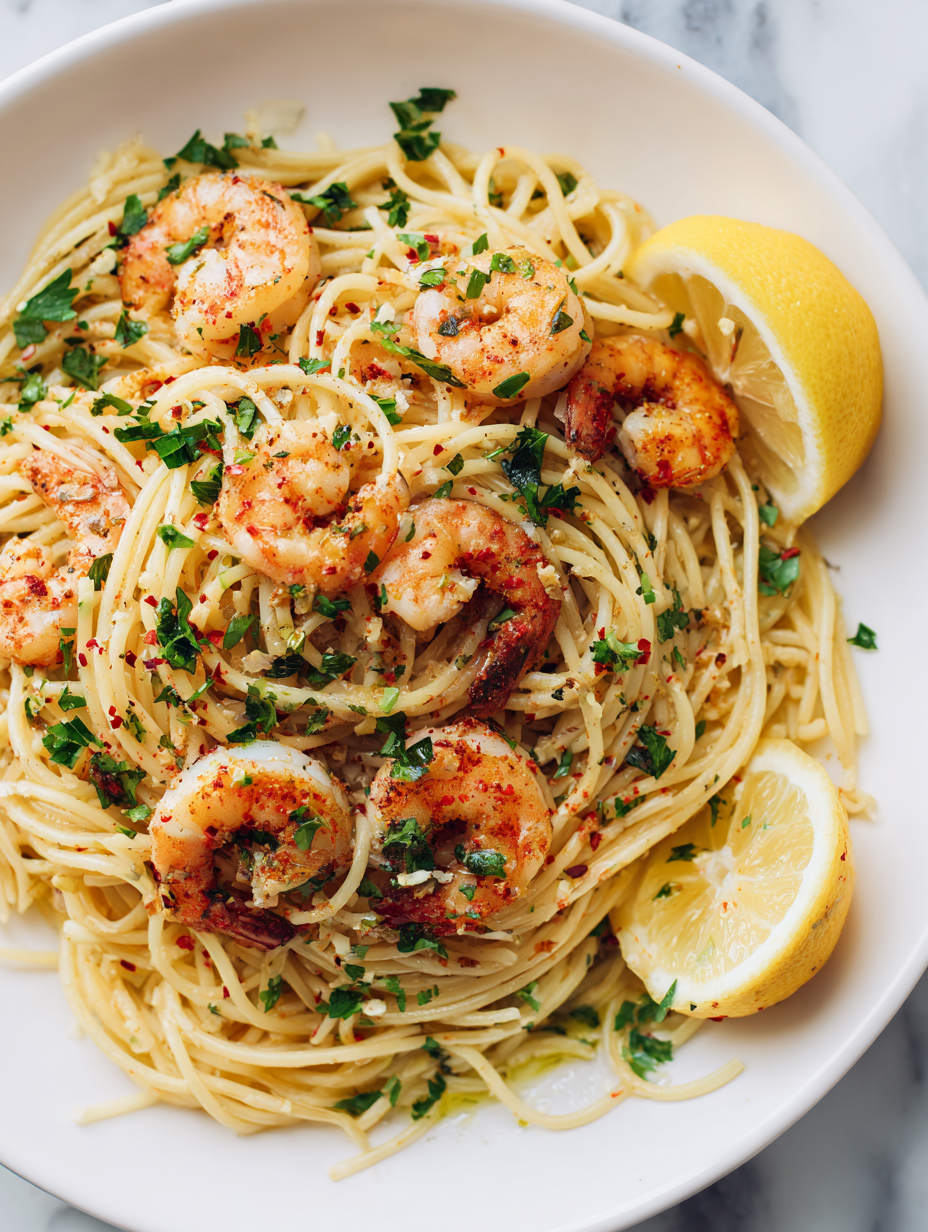
Shrimp Garlic Pasta with a Smoky Twist
Ingredients
Equipment
Method
- Start by boiling a large pot of salted water and cook your pasta until just al dente, about 8 minutes. Drain and set aside, saving a cup of pasta water for later.
- While pasta cooks, peel and devein your shrimp if needed. Pat them dry with paper towels and lightly season with salt and pepper.
- Heat olive oil in a large skillet over medium heat. Add the minced garlic and cook, stirring often, until fragrant and just golden, about 30 seconds. Be careful not to burn it.
- Push the garlic to the side and increase the heat slightly. Add the shrimp in a single layer and cook for 2-3 minutes per side, until they turn pink, opaque, and develop a slight smoky aroma.
- Pour in the white wine and let it simmer for 1-2 minutes, scraping up any browned bits from the bottom of the pan. This adds depth and a slight acidity.
- Add the butter and stir until melted, creating a rich, fragrant garlic butter sauce that coats the shrimp evenly.
- Transfer the cooked pasta directly into the skillet. Toss everything together, adding a splash of reserved pasta water if needed, to loosen the sauce and make it glossy.
- Squeeze fresh lemon juice over the pasta and shrimp, then toss gently to combine. Add red pepper flakes if you like a bit of heat, and taste for seasoning.
- Finish by garnishing with lemon zest or chopped herbs if desired. Serve immediately on warm plates, enjoying the fragrant, saucy pasta with tender shrimp.
Pro tips for perfect shrimp garlic pasta
- garlic: Sauté garlic until fragrant and just golden to release full aroma without bitterness.
- Brighten with lemon: Add fresh lemon juice at the end for a zingy, fresh flavor that cuts through the richness.
- Cook shrimp properly: Sear until pink and opaque, about 2-3 minutes per side, to keep them juicy.
- Pasta water: Reserve a cup of starchy pasta water to loosen the sauce and help it cling better.
- High heat for shrimp: Sear shrimp at around 180°C/355°F so they develop a slight caramelization without overcooking.
- Timing is key: Add wine after garlic and shrimp are cooked, letting it reduce to intensify flavor and avoid bitterness.
- Toss gently: Combine pasta and sauce off heat to prevent breaking the texture and to keep everything glossy.
Common mistakes and how to fix them
- FORGOT to watch shrimp: Overcooked shrimp turn rubbery. Fix by removing from heat promptly.
- DUMPED garlic in too early: Burned garlic tastes bitter. Add garlic after oil heats and before shrimp.
- OVER-TORCHED pasta: Boil until just al dente; overcooking makes it mushy and sticky.
- MISSED seasoning check: Taste sauce before serving; adjust salt and lemon for balanced flavor.
Quick fixes and pantry swaps
- When sauce is too thick, splash in warm pasta water and stir until glossy.
- If shrimp are rubbery, quickly reheat in hot oil for a minute to restore juiciness.
- Splash lemon juice if sauce needs brightness—immediately lifts the richness.
- Patch burnt garlic by adding fresh, minced garlic toward the end for a fragrant boost.
- Shield over-salted sauce with a bit of sugar or more pasta water to balance flavors.
Prep, store, and reheat tips
- Prepare the garlic and herbs in advance; finely mince and store in an airtight container for quick use, preserving aroma.
- Peel and devein shrimp ahead; keep covered in the fridge for up to 24 hours to maintain freshness and prevent odor transfer.
- Cook pasta until just al dente, drain, and toss with a little olive oil to prevent sticking; store in an airtight container for up to 2 days.
- Store cooked shrimp separately from pasta and sauce to avoid sogginess; reheat together for best texture.
- Reheat in a skillet over low-medium heat, adding a splash of water or broth to revive moisture and aroma; watch for bubbling and fragrant garlic fumes.
Top questions about shrimp garlic pasta
1. How do I know when the shrimp are done?
Cook shrimp until they turn pink and opaque, about 2-3 minutes per side, for juicy results.
2. When should I add the garlic?
Add garlic at medium heat just until fragrant and lightly golden; avoid burning to prevent bitterness.
3. Why save pasta water?
Reserve some pasta water before draining; it helps loosen the sauce and make it cling better.
4. When do I add lemon juice?
Use fresh lemon juice at the end to brighten the dish with a zesty, aromatic punch.
5. How al dente should the pasta be?
Cooking the pasta until just al dente (about 8 minutes) prevents mushiness and helps it absorb flavors.
6. Can I skip the wine?
A splash of white wine adds depth; cook it down until slightly syrupy for best flavor.
7. How do I prevent overcooking shrimp?
Overcooked shrimp become rubbery. Remove from heat immediately once pink and firm.
8. How spicy is this dish?
Adjust spice by adding more or less red pepper flakes; start with a pinch and taste.
9. How do I reheat the pasta without drying it out?
Reheat leftovers gently in a skillet with a splash of broth or water to revive moisture.
10. What olive oil should I use?
Using high-quality olive oil enhances the flavor; look for extra-virgin for a fruity, peppery note.
This dish feels like a little secret I keep coming back to, especially when I want something that hits all the right notes without fuss. The aroma of garlic and shrimp filling the kitchen is my favorite part—each time, I wonder why I don’t make it more often.
It’s a reminder that good, simple ingredients can turn into something memorable in no time. No matter the season or occasion, this pasta is my quick fix for a satisfying, flavorful meal that always feels just right.