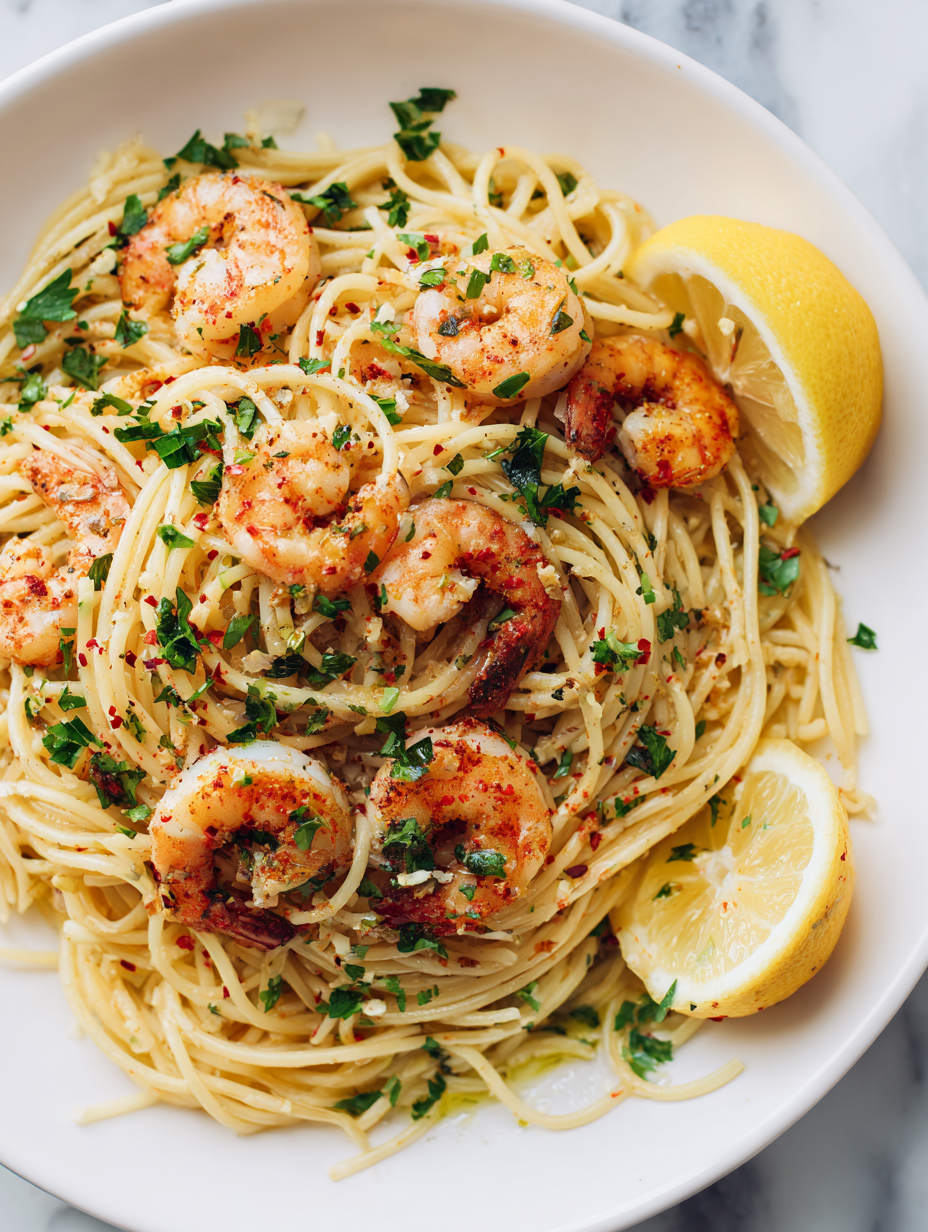
This Shrimp Lemon Pasta isn’t about complicated techniques or fancy ingredients. It’s about that perfect balance — bright, zesty lemon cutting through the sweet brine of shrimp, all wrapped up in a simple pasta that soaks up every bit of flavor. I often turn to this dish when I want something quick but satisfying, a little taste of the coast without leaving the kitchen.
What makes this recipe stand out is how honest it is — no unnecessary fuss, just fresh ingredients and a bit of attention. I love how the lemon’s sharpness lifts the seafood, making each bite lively and clean. It’s like a little seaside escape, right in the middle of a busy week, reminding me that sometimes, simplicity is the best way to go.
Focusing on the overlooked art of balancing bright lemon with the sweet, briny shrimp to create a dish that feels both refreshing and comforting, like a quick seaside escape in your own kitchen.
Balancing Brightness and Brine
- I remember the first time I nailed this dish—it was a chaotic dinner, but the lemon cut through the mess beautifully.
- There’s a relief in knowing I can whip this up quickly after a long day, with just a handful of ingredients.
- Cooking this reminds me of seaside summers, where fresh shrimp and bright lemons felt like the simplest luxury.
- Sometimes, I add a dash more lemon just to see the sparkle in everyone’s eyes at the table.
- This recipe’s honest balance of flavors always makes me feel like I’ve captured a little sunshine on my plate.
The story behind this recipe
This recipe came about during a summer when I was craving something quick but full of sunshine. I was experimenting with balancing the sharp brightness of lemon against the sweet, tender shrimp I had on hand. It turned into a dish I keep coming back to, especially when I want something fresh and unpretentious. The simplicity of it reminds me that good food doesn’t need to be complicated to feel special.
Historical & Cultural Snippets
- This dish has roots in Mediterranean coastal cooking, where fresh seafood and citrus are staples for brightness.
- The combination of shrimp and lemon gained popularity in American seaside towns in the early 20th century.
- Lemon’s use in pasta dishes was historically a way to add acidity without overpowering delicate seafood flavors.
- Many home cooks favor this recipe because it echoes the simplicity of classic Italian scampi, but with a personal twist.
- The balance of bright lemon and briny shrimp reflects a centuries-old tradition of enhancing seafood with citrus for freshness.
Key Ingredients Breakdown
- Shrimp: I prefer wild, deveined shrimp for that sweet, briny bite. You can go frozen, just thaw and pat dry to get rid of excess moisture—helps them sear better and stay tender.
- Lemon: I use fresh, juicy lemons for a bright, zesty punch. Skip bottled juice—nothing beats the vivid aroma and flavor of real lemon zest and juice.
- Garlic: I love a generous amount of minced garlic—peaks in aroma and flavor. If you’re sensitive, start with half and add more—garlic can turn bitter if overcooked.
- Pasta: I go for a good-quality spaghetti or linguine. Cook it al dente—firm to the bite—so it doesn’t get mushy when coated with sauce, and that slight chew makes all the difference.
- Olive oil: Use a good extra-virgin olive oil—brings a fruity, rich note. If you only have regular, it’s okay, just don’t cook on high heat to preserve flavor.
- Parsley: Fresh chopped parsley adds a pop of color and brightness. Toss it in just before serving for maximum freshness and aroma—don’t wilt it in the heat.
- Red pepper flakes: A pinch adds a subtle heat that elevates without overpowering. Adjust to your spice tolerance—sometimes I go light, sometimes bold, depending on my mood.
Spotlight on key ingredients
Shrimp:
- I prefer wild, deveined shrimp for that sweet, briny bite. You can go frozen, just thaw and pat dry to get rid of excess moisture—helps them sear better and stay tender.
- Lemon: I use fresh, juicy lemons for a bright, zesty punch. Skip bottled juice—nothing beats the vivid aroma and flavor of real lemon zest and juice.
Lemon:
- The zest and juice are what make this dish pop—bright, refreshing, with a hint of tartness that balances the seafood’s richness.
- During cooking, it releases a zesty, citrus aroma that fills the kitchen—don’t skip zesting for that extra layer of brightness.
Notes for ingredient swaps
- Dairy-Free: Swap butter for olive oil—keeps the sauce light, but loses that rich creaminess.
- Gluten-Free: Use rice or quinoa pasta instead of wheat—maintains texture but slightly different bite.
- Vegetarian: Replace shrimp with sautéed mushrooms or tofu—adds umami, but less briny sweetness.
- Lemon Variations: Lime or orange zest and juice—offer different citrus brightness, less sharp than lemon.
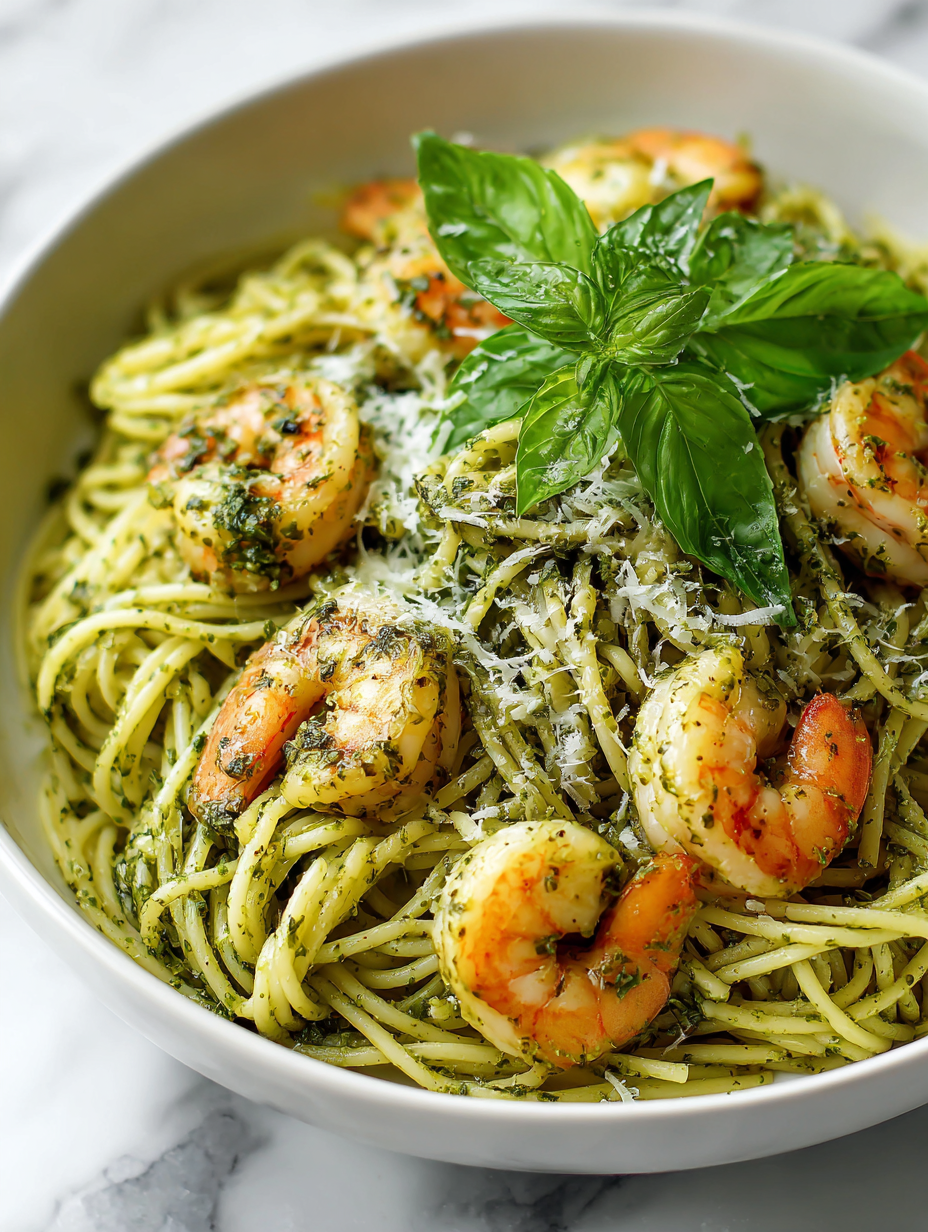
- Herb Swap: Basil or cilantro instead of parsley—bring fresh herbal notes, but change the flavor profile.
- Pasta Type: Whole wheat or chickpea pasta—adds fiber and protein, but can alter texture and flavor.
- Oil Choice: Avocado oil for higher smoke point—neutral flavor, slightly richer, more heat stable.
Equipment & Tools
- Large skillet: To sear shrimp and toss pasta with sauce.
- Pot: To cook pasta efficiently.
- Tongs: To turn shrimp and toss pasta gently.
- Sharp knife: To mince garlic and chop parsley.
- Zester: To zest lemon for maximum aroma.
Step-by-step to perfect Shrimp Lemon Pasta
- Gather your equipment: a large skillet, a pot for pasta, tongs, a sharp knife, and a zester. Heat the water in the pot to boil, salting generously. Cook pasta until just al dente, about 8-10 minutes. Drain, reserving a cup of pasta water.
- While pasta cooks, prepare the shrimp: peel and devein if needed. Pat dry with paper towels—moisture is enemy number one for good searing. Mince 3-4 cloves garlic, zest and juice 1-2 lemons, and chop fresh parsley.
- Heat the skillet over medium-high (about 200°C/390°F). Add a splash of olive oil—enough to coat lightly. When shimmering, add shrimp in a single layer. Sear without moving for 2 minutes until edges turn pink and slightly charred. Flip and cook another 1-2 minutes. Remove shrimp and set aside.
- In the same skillet, lower heat to medium. Add garlic and red pepper flakes. Cook for 30 seconds until fragrant but not burnt—smell that toasty aroma. Deglaze with a splash of reserved pasta water if needed, scraping browned bits.
- Add cooked pasta to the skillet. Toss to coat in the garlic oil, adding more pasta water if it seems dry. Squeeze in lemon juice, sprinkle zest, and stir. Return shrimp to the skillet, tossing gently to combine. Adjust seasoning with salt, if needed.
- Finish with chopped parsley, a drizzle of olive oil, and a squeeze of fresh lemon for brightness. Plate immediately, garnishing with extra lemon wedges and parsley if desired.
Serve immediately, garnished with extra lemon wedges and parsley. No resting needed; enjoy while fresh and hot for the best texture and flavor.
How to Know It’s Done
- Shrimp: should be opaque and slightly firm, with a light char.
- Pasta: al dente, with a slight bite, coated evenly with sauce.
- Lemon flavor: bright, fresh, without overpowering the seafood.
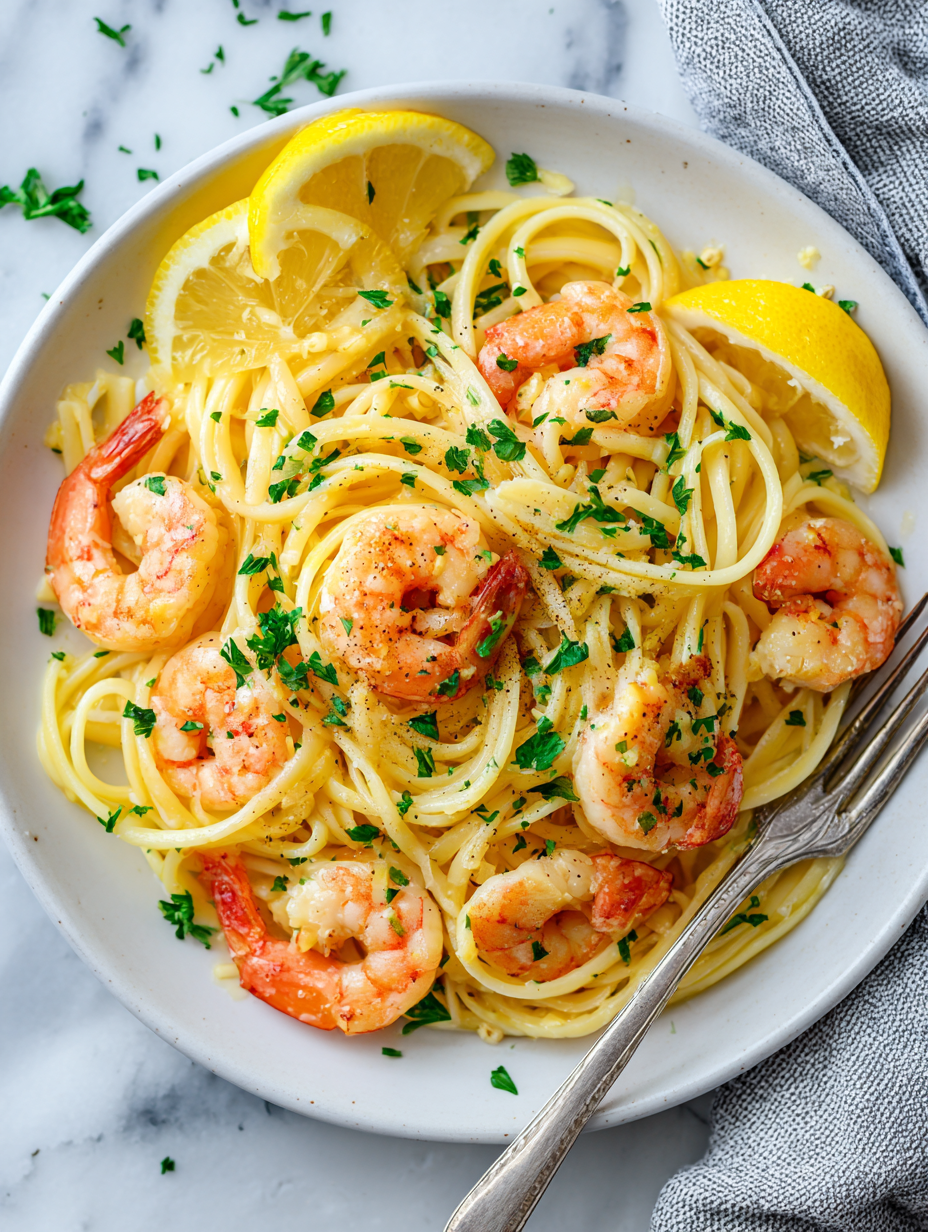
Shrimp Lemon Pasta
Ingredients
Equipment
Method
- Bring a large pot of salted water to a boil and cook the pasta until just al dente, about 8-10 minutes. Drain and set aside, reserving a cup of pasta water.
- While the pasta cooks, prepare the shrimp by peeling and deveining if needed. Pat them dry thoroughly with paper towels to ensure a good sear.
- Zest and juice one lemon, and mince the garlic cloves. Chop the parsley finely and set everything aside for later.
- Heat a large skillet over medium-high heat and add 2 tablespoons of olive oil. Once shimmering, add the shrimp in a single layer. Sear without moving for about 2 minutes until edges turn pink and slightly charred, then flip and cook another 1-2 minutes until fully opaque. Remove the shrimp and set aside.
- Lower the heat to medium and add the minced garlic and red pepper flakes to the same skillet. Cook for about 30 seconds until fragrant, stirring constantly to prevent burning.
- Add the cooked pasta to the skillet, tossing gently to coat in the garlic oil. If the mixture seems dry, splash in a little reserved pasta water and stir to loosen the sauce.
- Squeeze in the lemon juice, add the lemon zest, and toss everything together. Return the cooked shrimp to the skillet and gently mix to combine all flavors.
- Finish by stirring in the chopped parsley, adjusting salt to taste, and drizzling with a little extra olive oil if desired. Serve immediately with lemon wedges for an extra burst of brightness.
Pro Tips for Perfect Shrimp Lemon Pasta
- Use high heat for shrimp—crackle and turn pink quickly, avoiding rubbery texture.
- Toast garlic gently—30 seconds until fragrant, to prevent bitterness.
- Add lemon zest at the end—boosts aroma and maintains bright flavor.
- Reserve pasta water—starchy, to loosen sauce if it gets too thick.
- Sear shrimp in a single layer—don’t overcrowd, for even browning and juicy results.
- Toss pasta in skillet—off-heat, to prevent sauce from breaking or oil from separating.
- Finish with fresh parsley—adds vibrant color and fresh aroma, best added last.
Common mistakes and how to fix them
- FORGOT to adjust heat → Shrimp overcooks easily; keep heat moderate after searing.
- DUMPED the pasta water → Save some before draining to loosen sauce if needed.
- OVER-TORCHED the garlic → Cook garlic gently, 30 seconds until fragrant, avoid browning.
- MISSED lemon zest → Add zest at the end for extra bright citrus aroma.
Quick Fixes and Pantry Swaps
- When sauce is too thick, splash in hot pasta water and stir gently.
- If shrimp stick to the pan, ensure it’s hot enough before adding—avoid overcrowding.
- Splash a bit of lemon juice to brighten dull flavors quickly.
- Patch over-seasoned sauce with a touch of cream or butter for smoothness.
- Shield delicate shrimp from overcooking by removing from heat early—rescue with a quick toss in hot sauce.
Prep, store, and reheat tips
- Prep the lemon zest and juice, garlic, and parsley ahead—store in separate small containers in the fridge for up to 2 days. Their bright aromas will intensify the dish.
- Shrimp can be peeled and deveined up to a day in advance. Keep them covered in the fridge, pat dry before cooking to ensure a good sear.
- Cook the pasta al dente, then rinse with cold water to stop the cooking. Toss with a bit of olive oil, and store in an airtight container for up to 24 hours—keeps it from sticking together.
- The sauce can be assembled partially in advance: mix lemon juice, zest, and garlic. Keep refrigerated and bring to room temperature before tossing with hot pasta and shrimp.
- Reheating: Gently warm the pasta in a skillet over low heat with a splash of olive oil or reserved pasta water. The lemon aroma will revive, and the shrimp will stay tender if you reheat gently.
Top Questions About Shrimp Lemon Pasta
1. Can I use bottled lemon juice?
Use fresh lemon juice and zest for the brightest flavor. Bottled juice lacks the same aromatic punch.
2. How do I know when the shrimp are done?
Cook the shrimp until they turn opaque and slightly firm—about 3 minutes per side. Overcooked shrimp turn rubbery.
3. Why save pasta water?
Reserve some pasta water before draining. It’s starchy and helps loosen the sauce if it thickens too much.
4. How should I cook the pasta?
Cook pasta until just al dente, about 8-10 minutes. It’ll soak up the lemon and oil better without turning mushy.
5. Can I substitute olive oil?
Use a high-quality extra-virgin olive oil for flavor. Regular oil is fine, but it won’t add as much richness.
6. When should I add lemon zest?
Add the lemon zest at the end of cooking. It keeps the citrus aroma vibrant and fresh.
7. Why do my shrimp stick or steam?
Overcrowding the pan causes steaming instead of searing. Cook in batches if needed for crispy shrimp.
8. How do I finish the dish?
Finish the dish with fresh parsley and a squeeze of lemon. It brightens the flavors and adds color.
9. How do I reheat leftovers?
Reheat gently in a skillet with a splash of water or oil. Avoid microwave to keep shrimp tender and pasta from drying out.
10. The sauce looks oily or broken—what now?
If the sauce separates, add a little hot pasta water and toss quickly to bring it back together.
This dish isn’t just about brightening up a weeknight dinner; it’s about the little moments of clarity when everything comes together perfectly—shrimp seared just right, lemon zesty and fresh. It’s honest, straightforward cooking that reminds me how simple ingredients can create something lively and satisfying.
Whenever I make this, I’m reminded that good food doesn’t need bells and whistles—just a bit of attention and a fresh lemon in hand. It’s a reminder to slow down, even if just for a moment, and enjoy the pure, unpretentious flavors that come from honest cooking.